Tag: Italy

  • Podcast #191 — My Notes on Italy and Split, Croatia

    Podcast #191 — My Notes on Italy and Split, Croatia

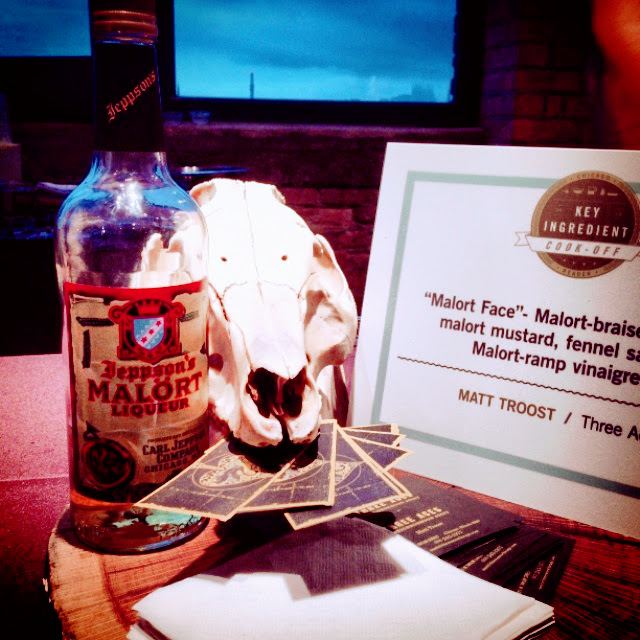
    Malort bottle and a cow skull
    After the Positano ferries go home

    Hard up against the Christmas deadline, we compare long-distance drive times between gas and electric cars, and my travel tips vs. those from the ChatGPT AI chatbot. We talk about the latest Real ID deadline delay, and impressions from my trip to Positano, Rome, Florence, and Split, Croatia. All this and more – click here to download the podcast file, go up to the Subscribe section in the top menu bar to subscribe on your favorite site, or listen right here by clicking on the arrow on the player.

    Here is the transcript of TravelCommons podcast #191:

    Since The Last Episode

    • Intro music — Warmth by Makkina
    • Coming to you from the TravelCommons studios in Nashville, TN at the tail end of the “bomb cyclone” that blew up a huge number of Christmas holiday plans for a huge number of families — including ours. Our daughter Claire beat the bomb by flying down at the beginning of the week out of LaGuardia; thank you, hybrid working arrangements. Our son and his wife were going to head down from Chicago on Thursday, but near-white-out blizzard conditions canceled that. So now we’re recalibrating the size of Christmas dinner and figuring out how to get presents to the right places.
    • While our usual “Not traveling at Christmas” rule has served us well, we did hit the road earlier for some Thanksgiving triangulation travel  — from Nashville to Annapolis, MD for a week to celebrate Thanksgiving with some friends, then from there to Chicago for another week to visit family, and then finally back home. The drive out to Annapolis was the best. We swerved the holiday traffic by driving out Monday instead of waiting for the Wednesday before Thanksgiving, and leaving a bit later in the morning so we could miss the agony that is Washington, DC rush hour. It was certainly the most scenic of the 3 drives, skirting the Great Smoky Mountains and then up the Blue Ridge Mountains. It reminded me of my drives to and from college, between Memphis and DC, though a lot more enjoyable not having to worry if my ‘72 Buick Electra was going to overheat hauling itself over the mountains.
    • The drive to Chicago was the most boring; a 12-hour drive with most of it being through the extended flatlands of the Ohio and Indiana Turnpikes. It would’ve put me right to sleep if I hadn’t figured out how to stream the BBC Radio’s World Cup play-by-play from my phone through the BMW’s speakers. What would’ve been worse, though, is if I’d tried to do that drive in an electric vehicle. California will ban new gas cars in 12 years, and New York and other states are looking to follow suit, so I wanted to see what my driving future will be. Cox Automotive says the Tesla Model Y was the best selling car through Q3, the end of September this year. So I hit the Tesla trip planner to see what my trip would look like if I swapped my BMW X3 for a Tesla Model Y Long Range. The trip would be almost 2½ hours longer due to the 4 supercharger stops I’d need — 2 45-minute charges in PA and OH and 2 25-minute charges in Indiana — a bit longer than the couple of 20-minute restroom/gas-up pit stops we made on the turnpikes. The first stop in PA and the last one in IN would be in turnpike rest stops. The other two would require leaving the turnpike, winding through the ticket booths to find the chargers. Actually, I’m not sure which is worse. Hanging out for 45 minutes at the North Somerset, PA rest stop Roy Rogers or leaving the Ohio Turnpike to find my way to Strongsville, OH, plug into the supercharger behind the Sheetz convenience store, and then walk over to the Applebee’s knock-off to kill the 45-minute charge time with a Bud Light and some chicken tenders nachos.  They got 12 years to either cut that charge time in half or significantly improve the food and beer options at those superchargers.
    • Bridge Music — God Rest Ye Merry Gentlemen by copperhead (c) copyright 2012 Licensed under a Creative Commons Attribution Noncommercial (3.0) license.  Ft: Admiral Bob, Javolenus , Sackjo22

    Following Up

    • The last half of our Chicago visit we stayed downtown at the Hyatt Regency, a big convention hotel that, in pre-COVID times, always had all sorts of  mid-sized business conventions; things like the Midwest Dell Computer Users Group meeting, the IAAO (Int’l Association of Assessing Officers) National Conference. Now I’m old enough to remember way back to 2020 when “everything changed” and “this is the new normal” meant these mid-level gatherings were past history, that in the new normal, we’d all meet over video or in the metaverse — which kinda spooked me because everybody seemed cut off below the navel — and so never be tempted to shake hands. So when I walked into the lobby one morning to see signs welcoming ASTA, the American Seed Trade Association and the elevator doors wrapped in signs pitching BASF’s Poncho Votivo seed treatment, it reminded me once again that reversion to the mean is a strong, almost irresistible force. I walked into the elevator with a guy wearing a vendor badge around his neck. “Conference travel back?” I asked. “With a vengeance,” he sighed. Business travel may still be a bit below 2019 levels, but it’s clawing its way back.
    • Last May, back in episode #187, I said “A quick public service announcement — the COVID Real ID extension expires in less than a year.” Well, scratch that. The beginning of this month, DHS, the Department of Homeland Security, kicked the Real ID deadline down the road again, 2 years this time to May 7, 2025. Good news for procrastinators everywhere. They said the extension was necessary because the pandemic has made getting a REAL ID more difficult. I have to tell you; I just don’t buy it. Last year, December 2021, I had to go to a Chicago DMV site to get a new driver’s license. I made an appointment, showed up on-time, and was in and out in 30, maybe 40 minutes, including the 3 extra minutes it took them to scan my social security card and the documents to prove my address. I mean, come on, it’s been 17 years since the Real ID act was passed. It’s a law no one thinks is needed any more. Somebody just man up (in a completely gender-neutral way) and cancel at least this act in the long-running post-9/11 security theater.
    • In more travel document good news, right before Thanksgiving, the US State Department opened up a portal for on-line passport renewals on what they’re calling a “limited release”, which sounds like government speak for a beta product — limited volume and possibly not the smoothest user experience. But you gotta give them credit for getting this far. I renewed my passport last February the old-fashioned way — finding a Walgreens that still takes passport photos, stapling them and a check to the renewal form. I’m hoping that in 9 years’ time, all the sharp edges will be buffed off this limited release and ready for prime time. I know, it’s the government; but a guy can dream…
    • I’ve never been too proud not to chase a trend in the service of search engine optimization and so I wrote a blog post last week on ChatGPT, the AI chatbot that was released after Thanksgiving and simultaneously thrilled and horrified people — mostly thrilling students and mostly horrifying teachers and writers. I decided to give it a try, typing into the prompt box — “write a blog post with the top holiday travel tips.” One thing that was immediately obvious — ChatGPT is a lot faster than me. It cranked out 350 words and 5 travel tips in a second or two. The tips, though, “Plan Ahead,” “Pack Light,” “Stay Organized,” “Be Flexible,” and “Stay Connected” weren’t wrong, but they weren’t all that insightful; they weren’t anything that even the occasional traveler, someone taking just a couple of flights a year, wouldn’t already know. So then the next step is to compare those tips, generated by artificial intelligence, to 5 tips generated by my 35 years and a few million miles of travel experience — “Figure out if you want to fly or drive,” “Fly Non-Stop,” “Catch the Early Flight,” “Carry On Your Luggage,” and “Bring a Battery Pack.” You be the judge, but I think my tips are a bit more specific, a bit more actionable; probably just good enough to keep me in this unpaid travel podcaster/blogger gig — at least until ChatGPT gets its next upgrade.
    • In the Travel Tech Stack topic in the last episode, I talked about travel apps I use, and specifically Tripit which I use to consolidate all the plane, train, hotel, and Airbnb confirmations into a single itinerary. The Monday before Thanksgiving, I started getting e-mails from them — 50% off TripIt Pro; $24 instead of the usual $49. That first one was targeted at Thanksgiving fliers. Then came another 50% off email, but this time it was a Black Friday e-mail. Then came the Cyber Monday pitch, again 50% off. I got a message from Allan Marko, long-time TravelCommons listener. “What do you think?” he asked, “Do you use it?”  I quickly responded “Nope. Haven’t used Pro for many years. Don’t see the value of the additional features. If I was going to pay for one, I’d go for Flighty.” I was able to respond at near-ChatGPT speed because that text was pretty much verbatim what I said about Tripit Pro in the Travel Tech segment. The next day, Allan messaged me back “Just listened to the episode. You went through exactly what I was asking about TripIt.” TripIt ran that 50% off e-mail campaign right through last week, so almost a month — which leads me to believe that there are a lot of other travelers who share my views.
    • And if you have any travel stories, comments, tips, rants, or a question like Allan or like Twitter follower @Ab3Fr0man (I’m always a sucker for a Ferris Bueller reference) whose question back in June led to last episode’s Travel Tech Stack topic, send it to comments@travelcommons.com, ping me at @mpeacock on Twitter message or post a comment on the TravelCommons website for the quickest response. I’m a little slower responding to Facebook and Instagram. And if you don’t want your name mentioned on the podcast, let me know. Everyone’s got different sensitivities around privacy nowadays.
    • Bridge music — O Tannenbaum / Oh Christmas Tree by Martijn de Boer (NiGiD) (c) copyright 2014 Licensed under a Creative Commons Attribution Noncommercial  (3.0) license.  Ft: Admiral Bob (admiralbob77)

    Notes on Split, Croatia and Italy

    • I mentioned at the start of the last episode that I rummaged around Croatia and Italy for 3 weeks at the beginning of October, starting in Split, Croatia and then running up the Italian peninsula — Amalfi Coast, Naples, Rome, Florence. When I’ve talked to folks about this trip, most everyone is much more interested in our time in Split and in Italy. Which makes sense if I think about it; lots of people interested in travel will have hit those Italy highlights — Rome, Florence, the Amalfi Coast — early on in their travels, but not so many Croatia (at least travelers from the US). But they’ve heard a lot about it, especially the Game of Thrones stans, which maybe has bumped it up on their list of places to visit; maybe high on the “B” list. And so the interest I was getting might’ve been a combination of a polite “How was your trip” with a dash of  “Hmm, any reason I should bump it up to my ‘A’ list?” I found myself summing up our Split visit saying “Good times, good wine, good seafood; though I’m not sure I know anything more about Croatia having spent 4 days there.”
    • I felt like I was another one of those guys who hop a cheap Ryanair flight to some city like Budapest or Tallinn for a lads’ weekend — which was pretty close to what we did. But even when we ventured out of the old city (which is very cool and very pretty), out of the cruise passenger blast zone that would jam up those cool, pretty, but very narrow streets and alleys between, say, 10am and 5pm every day, I still couldn’t get a deeper feel for the place. We’d post up at some bars, but got much less conversation with the bartenders than I would in, say, Italy. I dunno — maybe Croatians are more taciturn than Italians, or the folks in Split have to deal with so many tourists every day that they need a break and just want to chat with their fellow Croatians. Either — or both — would be very reasonable explanations. Indeed, the closest I came was a non-conversation in the main farmers’ market on Saturday morning. I was walking up and down the rows of stalls — fresh vegetables, sundries, other random bits and bobs — and noticed an older guy by himself in a small stall off to the side. Walking up, I could see he was selling smoked pork loin and some aged sheep’s cheese. He spoke no English; I spoke no Croatian, but with a bunch of gestures and finger measurements, I managed to buy some of everything he had on offer. I must’ve paid a good price because he pulled out a plastic 1-liter bottle and poured me a capful of what I figured was home-made rakija, a Croatian fruit brandy. It was good, very smooth; a nice 11am eye opener.  
    • After 4 days of wandering around, Split seemed a pretty standard European large town/small city with fresh seafood and good wine for, if not cheap, then a reasonable price. The only kinda wacky thing was the Croatian currency, the kuna. The exchange rate was around 7.50 to the dollar; a slightly awkward exchange rate to do in your head on the fly — which we didn’t need to do because everything was dual priced in kuna and euro in preparation for their move next month (January 2023) to the euro. So you’d think (or at least I thought) that there’d be parallel usage of kunas and euros in the lead-up. But you (and me) would be wrong. There were signs everywhere “Kuna only” and “Cash only”. Which meant a lot of hunting down ATMs and a last-minute spending spree in the Split Airport bar and duty-free shop.
    • Just short of 70 years ago, John Steinbeck wrote an article about Positano, Italy for Harper’s Bazaar magazine. The most popular pull quote is “Positano bites deep. It is a dream place that isn’t quite real…” He then goes on to say that Positano would never be overrun by tourists; it’s too steep, there’s no room for visitors, and the locals don’t give a damn. Steinbeck was right about it being steep, but he was dead wrong about the rest. The view from our balcony was beautiful when I looked up at the hills and out at the water. But then my eyes would drop a bit and I’d see the stream of ferries docking and disgorging full loads of daytrippers. I waded into it one morning to see the local church and got stuck in a conga line of tourists walking one of the narrow streets — one single-file of people walking up from the beach, another single-file walking down; a young couple carrying a stroller up the sets of stone steps; the almost-Three Stooges-like people bumping into the back of each other when someone in the single-file stopped to look at a shop and didn’t step into the doorway. That was it for me. I was one and done. After that, I’d just sit on our balcony with a bottle of local wine, situated so my eyes wouldn’t drop from the beautiful view.
    • I don’t want to bang on about the crowds too much, but it’s a major through-line of this trip. Maybe the combination of the strong dollar, no COVID restrictions, and no mask rules was all it took to uncork 2 years of pent-up travel demand. In Rome, I made the mistake of meeting someone at the Trevi Fountain and got trapped in a horde. The Trastevere neighborhood where we stayed — the streets were a bit thick with tourists during the day, but was complete gridlock at night with people overflowing out of the bars, into the plazas drinking what must’ve been truckloads of Peronis.
    • Having said this, I really liked Rome. Before this, I was always a bit ambivalent about Rome; would always tend to head north — to Tuscany, to Milan. But this trip, maybe because we’d spent the prior week or so in smaller places, the big city energy of Rome was a pleasant, an energizing change. People talk about Rome being chaotic; I didn’t think it was any more chaotic than any other big city. Maybe because I wasn’t driving — just walking or taking a cab or trying to kill Irene while driving a Vespa scooter.
    • Could also be that there was more space to spread out, to swerve the crowds. I found a walking and bike path sunk down below street level along the banks of the Tiber River. There was fairly steady bike traffic, but I could walk freely, no dodging on-coming tourists. I made my way through the Testaccio neighborhood — definitely no tourist traffic here — to a local market that was full, but not crowded; I was able to get a table with my beer and porchetta sandwich.
    • But I picked up a verve in Rome — some combination of the energy and “don’t screw with me” of a big city, but also something more welcoming, a bit warmer than I’d get in, say Manhattan or London or Frankfurt or Paris. Maybe a bit more down-to-earth, something you get in the outer boroughs of New York and London; a friendly confidence. I liked it a lot more than I thought I would.
    • But not every crowd was bad. The last stop on our Italian tour was Florence. While I’d never been to Rome before, this was our fourth time in Florence. Irene and Claire wanted to shop for jewelry on Ponte Vecchio; the thought of wading back into those crowds sent me in the complete opposite direction, toward the Basilica of Santa Croce. Walking down the road, I noticed more and more guys wearing the same soccer jerseys funneling onto the road, some with plastic bags full of beer bottles. When the street ended at the Piazza di Santa Croce, the big open plaza in front of the basilica, it had been taken over by a huge crowd of Scottish soccer fans who’d followed their club, Hearts of Midlothian, from Edinburgh here to Florence to play the local team. They’d set up camp in the plaza, hung their club supporters flags from plaza railings, building scaffolds, and pretty much anything else with a vertical structure. And they were having a great time pre-gaming the match — drinking beers, banging drums, and most of all, singing songs. At the other end of the plaza, about 6 carabinieri were standing in front of what looked like a paddy wagon. As I rounded the corner of the basilica, a couple of Florence metro cop cars joined them. They weren’t doing anything; just hanging back, just in case.
    • I left the drums and singing behind and wound my way up to a craft beer bar. I bought a beer and sat on a stool just outside the bar door — just in time to see a stream of Hearts supporters take over the street which was, I soon found out, the main path from their pre-game piazza to the stadium. I have to say that, after 5+ hours of drinking, I was a bit nervous about this crowd, but I didn’t need be. They were loud, enthusiastic, maybe a bit bumptious, but never nasty or threatening. They were just there to have fun with their fellow supporters and watch the match which, one guy told me, they fully expected to lose (and which they did 5-1). Through it all, I was most impressed by the Florentine bar owner. Amid all the drunk Scotsmen singing and yelling and drinking, he was unflappable — serving beers, keeping glasses out of the street, and occasionally taking group photos. He smiled and told me, “The boys just want to have some fun.” And they did. And they dragged me along with them — not to the stadium, I had other plans, to meet up with a big slab of beef, a bistecca alla fiorentina– but to enjoy a crowd rather than fight it. 

    Closing

    • Closing music — Pictures of You by Evangeline
    • OK, that’s it, that’s the end of TravelCommons podcast #191
    • Merry Christmas to everyone who celebrates it and hope you all have a great new year. Sorry I couldn’t get this out earlier to give any of you trapped in an airport this week something to listen to, but hey, now you have something for Christmas dinner clean-up.
    • You can find us and listen to us on all the main podcast sites — Apple Podcasts, Spotify, Stitcher, SoundCloud, Google Podcasts, and Amazon Music. Or you can also ask Alexa, Siri, or Google to play TravelCommons on your smart speakers.
    • You can click on the link in this episode’s description in your podcast app to get to the show notes page at TravelCommons.com for a transcript of the episode and any links I’ve mentioned. If you’re not yet subscribed, there’s a drop down Subscribe menu at the top of the page and along the side of the page, you’ll find links to the TravelCommons’ socials.
    • If you have a story, thought, comment, gripe – the voice of the traveler — send ‘em along, text or audio file, to comments@travelcommons.com or to @mpeacock on Twitter, or post them on the TravelCommons’ Facebook pageInstagram account,  or website at travelcommons.com. Thanks to everyone who has taken the time to send in e-mails, Tweets and post comments on the website
    • Follow me on Twitter
    • “Like” the TravelCommons Facebook page
    • Direct link to the show
  • Podcast #190 — My Travel Tech Stack; Imbibing for Introverts

    Podcast #190 — My Travel Tech Stack; Imbibing for Introverts

    Malort bottle and a cow skull
    My Drinking Buddy Is The Quiet Type

    Back behind the mic after 3 week of travel in Croatia and Italy. The trip went amazingly well up to the last leg, when United’s Newark team couldn’t get our bags on our plane. But, I’d stuffed Apple AirTags into our luggage, so we were able to track their movements ’til they got home. That experience and a listener’s tweet led to me re-visiting my travel tech stack. We then talk to Jeff Cioletti, author of the new book Imbibing for Introverts, about the art of drinking alone. All this and more – click here to download the podcast file, go up to the Subscribe section in the top menu bar to subscribe on your favorite site, or listen right here by clicking on the arrow on the player.

    Here is the transcript of TravelCommons podcast #190:

    Since The Last Episode

    • Intro music — Warmth by Makkina
    • Happy Halloween! Coming to you from the TravelCommons studios in Nashville, TN. Finally got my body back on Central Time after 3 weeks in Europe that started in Split, Croatia and then ran up the Italian peninsula — Amalfi Coast, Naples, Rome, Florence — and then back down to Rome to fly home. And for a trip about a dozen potential points of failure between all the flights, the trains, and the Airbnb’s, it all went pretty smoothly except for the final leg — the EWR-BNA flight home, where United somehow couldn’t manage to get our luggage on our plane. But by then, it wasn’t critical — just suitcases of dirty clothes and some bottles of wine and limoncello. And United delivered them to us the next afternoon — just in time for us to start doing laundry. Annoying, yes — but not much more.
    • Which, after a summer of travel horror stories about canceled flights, lost luggage, hours-long security lines that fed our episode on Top Tips to Avoid Travel Chaos, I chalked it up to good luck and clean living or, what’s probably a more likely explanation, the airlines and airports are finally getting on the other side of the surprise snapback in leisure travel during a very tight labor market. Through Nashville, O’Hare, Frankfurt, even the Split airport — 5-minute security lines at most, and on-time flights. In Italy, all our trains were on-time. And after all of that smooth travel, it wasn’t until our last day, for our flight home, that we got pulled up short. We walked into Terminal 3 at Rome’s Fiumicino airport and smack into a huge line. It took us a moment to figure out that the line wasn’t for us; it was the check-in line for Air Canada which seemed… weird. But no matter, we didn’t have to stand in it. 
    • The next line, though, we did — the separate security line for all direct flights to the US.  We’ve talked in the past about how, post-9/11, direct international flights to the US tend to be segregated from the rest of the flights and put at the far end of departure terminals. That I’m used to. This was the first time, though, that I’ve seen a US-only security line. And on a Sunday morning at 9am, when everyone is there for the 10:30/11am bank of flights to the US. It tailed back almost the length of the terminal.  But it kept moving. And when we made it up to the security area, we could see that they had every screening station manned and operational. We got through security and passport control in less than a half hour. Not world-class timing, but not anywhere near the summer horror stories.
    • I shouldn’t have been surprised at that US security line though because every place we went in Italy was jammed/crowded, mostly with Americans. It was revenge travel in action. I asked a few guys — bartenders, shop owners, shuttle drivers — how these October crowds compared to pre-pandemic. “It’s insane!” was the consensus. And I could feel it wearing on them. Even though all these people were giving them money, their patience seemed to be getting a little thin. Last year, last October when we were in Italy, in Puglia and Sicily, these same sort of folks were saying “Welcome! We’re so glad travelers are back!” This year? I think it’s a bit more like “when are you travelers going back… home?”
    • Bridge Music — A Foolish Game by Snowflake (c) copyright 2014 Licensed under a Creative Commons Attribution (3.0) license. http://dig.ccmixter.org/files/snowflake/46164 Ft: Admiral Bob

    Following Up

    • I’m going to hold my thoughts about my Croatia and Italy trip for the next episode; do one of my stream-of-consciousness “Notes on a Location” topics. But I do want to follow up here on a couple of things from the last episode. First up, is last episode’s eSIM rant because, through watching with my travel companions and texting with Allan Marko, a long-time TravelCommons contributor, I sorta refined that rant, getting it down to two decision points. 
      • First, how much data do you expect to use? If you’re out of the US for a week or less, staying in a place with good WiFi, and can wait until the end of the day to do all your social media posting, you can probably be good with 5GB of data — which gets you under T-Mobile’s non-throttled international data cap (which is what a couple of the folks traveling with me did), way under Google Fi’s 50 GB cap, and probably fits into a $15-20 eSIM from someone like aloSIM or Airalo. It’s the low-hassle solution. But for a longer stay, like my 3 week-er, or if you’re fully invested in building Instagram stories, like my wife, 5GB just isn’t going to cut it. I reset my iPhone data stats on the flight to Frankfurt and then looked at them as we were taxiing out to the runway in Rome. I used 77 GBs of data. Now, 11 GB was from hotspotting because the WiFi in our Florence Airbnb was pretty useless. But even pulling that out, 66 GBs is still a whackload of data. Which is probably because I didn’t really pay any attention to my data usage, because the Telecom Italia plan I was on gave me 600 GB of 5G data, essentially unlimited data, for $15. So while my T-Mobile-using companions were scrounging for a bar’s WiFi password to do Untappd check-ins, I was uploading pictures and refreshing my podcasts.
      • The second decision point  — do you need to make regular phone calls; do you need a local number? This is more and more of an edge case with people primarily texting, and when there was a specific need for a voice call, people rang me through WhatsApp and Telegram. But on this trip, I got us last-minute tables at a couple of good restaurants because I could call them over the regular phone network, something I couldn’t have done with a data-only eSIM. I’ve also run into the need for a local number when trying to register or create an account for an on-line service. My Telecom Italia SIM also came with a local Italian number and unlimited voice minutes. 
      • So while I sharpened my thinking on this trip, my conclusion didn’t change. I know I’m an edge case — I don’t want to have to think about data consumption and I want local phone service — and until the in-country wireless carriers offer the same pre-paid plans on eSIMs that they do on physical SIMs, I’ll be keeping my phone with the SIM tray… and a straightened-out paper clip to pop it open.
    • Second, following up to Kendra Kroll’s travel tip in the last episode about knowing the names of cities in the local vernacular. Kendra talked about people missing their train stop because they didn’t realize that Florence, in Italian, is Firenze. So riding the train from Rome (Roma) to Florence (Firenze), I was on the lookout for this. All the train tickets used Italian city names — Roma, Napoli, Firenze. But the signs on the platforms of the Florence train stations said “Florence”. Indeed, the real confusion wasn’t Florence vs Firenze, but which Florence train station to get off at. My group thought we had a direct train from downtown Rome  (Roma Termini) to the downtown Florence station (Firenze Santa Maria Novella), so when the train stopped at a station with “Florence” in the sign, they all scrambled to get their bags and head for the station — which would’ve left them hanging around in a suburban parking lot figuring out how get a ride downtown. So not only know the name of the city in the vernacular; know the full station name of your stop.
    • I mentioned earlier that the first leg of my trip was from BNA to ORD, and I was kinda surprised to realize that it was my first time in ORD in 10 months, since returning from the UK last November. Prior to moving down here to Nashville in July, I’d been flying Southwest out of Chicago Midway; easier to get to and Southwest fit my travel plans better. So as “Welcome Back,” I got the full ORD experience — landing on the far north runway, which feels like it’s just short of the Wisconsin state line, with the requisite 20-min taxi to get within sight of the terminal. Then, just as you think you’re almost there, the plane stops across the road from the terminal and waits 5 minutes for a gate to open up. Then, once we get moving again, we take the scenic route, past all the American planes in Terminal 3 and the Delta planes in Terminal 2 until we finally get to the United terminal in Terminal 1. All told, at least 30 minutes from tires hitting the runway to the door opening and the agent saying “Welcome to ORD”. Yeah, thanks. Great to be back.
    • And in other “Great to be back” things, Irene and I used Lyft for the first time in forever to get home from the Nashville airport — the wait time and the price were much lower than Uber; which is weird because I’d think, by now, the ride sharing market would be a bit more price efficient. But anyhow, Lyft is so excited to see me resurface in Nashville that the app is flooding my phone with notifications with ride offers and suggestions for things to do. Three days of this was enough to drive me into the hell that the iPhone Settings menu has become to figure out how to shut them up. Probably not the behavior Lyft was trying to prompt, but there you go.
    • And if you have any travel stories, questions, comments, tips, rants – the voice of the traveler, send ’em along to comments@travelcommons.com — you can send a Twitter message to mpeacock, post your thoughts on the TravelCommons’ Facebook page or the Instagram account at travelcommons — or you can post comments on the web site at TravelCommons.com.
    • Bridge Music — ABANDONED BUTTERFLIES by THE_CONCEPT_OF_ENERGY (c) copyright 2016 Licensed under a Creative Commons Attribution license. http://dig.ccmixter.org/files/THE_CONCEPT_OF_ENERGY/55008

    My Travel Tech Stack

    • Back to that problematic last leg of our trip — the flight home to Nashville from Newark. I knew we had a lagging luggage problem even before we left the ground courtesy of the latest addition to my travel tech stack. I’d bought Apple AirTags just for this reason — to track our luggage. When I had to check my bag on the Vueling flight from Split to Rome, I could see on my iPhone’s Find My app that my bag was on the plane; it looked almost right underneath me. But in Newark, my bag never left the terminal. Irene checked her app; same thing. As we taxied out, I took a screenshot showing the growing distance between me on the plane and my left-behind bag, and tweeted it out to United saying “I’m guessing I won’t be seeing my luggage in BNA.” 
    • As I said earlier, I was pretty annoyed with United, but at least the AirTags saved us the 30 minutes of suspense watching all the other bags come out. Instead, we went straight to the baggage service agent, filed our report, and headed home. And then, waking up the next morning, I could see that our bags made it on the late flight from Newark, and then could see them on the delivery truck heading to our flat. Saved a lot of agita. 
    • It got me thinking back 6-7 years to the first wave of smart luggage — Bluesmart, Away. I bought a Bluesmart bag off their Indiegogo campaign. Those bags also let you track their location, along with charging your phone — for about 2 years until the airlines banned them, or at least the ones with non-removable batteries. Those travel use cases haven’t changed — “Where’s my bag?” and “I need to recharge my phone so I can rebook this canceled flight” — but the tech has moved on — replacing the smart bag with AirTags or Tile trackers and a 10,000 mAh battery pack.
    • Long-time listener and Twitter follower @Ab3Fr0man pinged me during my summer move podcast pause with “question for the next podcast >> Are there any new devices or apps you are using for travel?” which is what got me spelunking through my travel tech stack, which then turned into a stroll through my past “What’s in My Briefcase” episodes. And what struck me was, other than the AirTags and a small phone tripod for video calls, it hasn’t been what I’ve added to my kit as much as what I’ve been able to take away.
    • The consolidation to HDMI for video seems to be just about done and that’s let me drop all the VGA cables and dongles I used to carry around just in case I ran into an old conference room projector or hotel TV.  The slow and still in-progress consolidation to USB-C power supplies has let me do some subtraction by addition, dropping my MacBook Air power supply and an old dual USB-A charger for a single charger that’s smaller than either of them, a 100W gallium nitride charger that can charge my laptop, my phone, and my headphones all at once. Indeed, the only reason I still carry an old USB-A Apple Lightning cord is for plugging into the charging port on rental cars. 
    • But the subtraction thing doesn’t always work. Last year, when we were traveling in Italy (Puglia and Sicily) for a couple of weeks, I wanted to leave the laptop home and run everything off my 8-inch Samsung tablet. That wouldn’t be a problem except for a couple of programs I run on my office PC, and I didn’t want to have to migrate to their cloud versions just for the trip. So instead I used Amazon Workspaces to set up a PC in the cloud. Not quite sure why I thought this would be easier. The Amazon setup was, let’s say, less than straightforward but I got it to work, and was able to run what I needed off my tablet, albeit a bit slower than usual. Getting ready for this last trip, I thought about it again, do I leave the laptop at home? Then I remembered the time sink the Amazon set up was, and tossed the laptop back into my backpack.
    • No new apps. Indeed, I tend to be brutal about deleting those I’m not using right now. I’ll download, say, the VRBO or Airbnb app when I need them for a trip and then dump them when I get home. I also just deleted the Clear app. I had a year free from some credit card and never used it. So I canceled it before they charged me for another year and deleted the app. Yelp is on the bubble right now. I also find myself using it less and less, just defaulting to Google Maps’ restaurant suggestions and ratings since I usually already have it open for directions.
    • The carriers’ apps continue to improve incrementally. I used to use an app that had maps of all the major airports, but found I was using it less and less as the carriers added similar maps to their apps. Indeed, while waiting to de-plane in EWR, I checked the United app and it had an animated step-by-step map showing the path from our arrival gate, through Customs, to our departure gate. Too bad the guys moving our luggage didn’t have the same map. 
    • As I’ve mentioned in past episodes, I still use the free version of TripIt to consolidate all plane, train, hotel, and Airbnb confirmations into a single itinerary. I know Google Travel can do something similar if you live within the Google ecosystem, but I don’t so I use TripIt. TripIt keeps pushing their $50 Pro offering with real-time alerts and airport maps. I had the Pro offering once, but now I get all that stuff for free on the carrier apps. Now, if I was going to pop $50, I’d spend it on the Flighty app instead. I trialed Flighty back in the spring on a trip to Santa Fe and thought it was a great app. If I was still flying every week, it would be a no-brainer. Indeed, I’d figure out a way to expense the $250 lifetime membership and be done with it. 
    • But the one piece of travel that’s been with me since the beginning and that continues to earn its keep — a bottle opener. Even as craft beer has moved to cans, that stamped metal New Belgium bottle opener has saved the corner of many a hotel dresser.
    • Bridge Music — H2O by Doxent Zsigmond (c) copyright 2015 Licensed under a Creative Commons Attribution Noncommercial (3.0) license. http://dig.ccmixter.org/files/doxent/49674

    Imbibing for Introverts

    • When frequent travelers are on the road, we spend a lot of time alone — in our hotel rooms, and in spite of the advice from a former colleague who wrote a book titled Never Eat Alone, we do… a lot. So when I saw an upcoming book about drinking alone, it seemed a perfect fit for the podcast. So I reached out to the author, Jeff Cioletti, editor-in-chief of Craft Spirits Magazine.
      • Mark: Jeff, thanks for joining us on the TravelCommons podcast today. Your upcoming book…
      • Jeff: Technically the release date is November 15, I tried to get them early for an event on October 20, but they got held up on a freight train somewhere in the United States, so it’s like…
      • Mark: That damn supply chain. So anyhow, your upcoming book, Imbibing for Introverts: A Guide to Social Drinking for the Anti-Social. Over the years on the TravelCommons podcast, we’ve talked many times about solo eating, eating alone on the road, what you might call eating for introverts. So when I saw the title of your book, it mapped right into things that we’ve been doing. And again, in past episodes, we’ve talked about the best ways to eat alone and so, what are your pro tips for the best ways to drink alone?
      • Jeff: It depends on the venue; it just depends on what your objectives are. If you want to quietly contemplate what you’re drinking; if you’re in one of these high-end whiskey bars or a brandy bar or something like that; where you’re sitting and you really want to just contemplate. Sometimes you just want to be present and just be in your thoughts, think about what you’re drinking, think about its connection to the point of origin, that kind of thing. When you’re drinking alone, probably more often than not you’re going to be sitting at the bar. A lot of times they’re going to give you a 2-top, but sometimes I feel bad about taking it up, especially when things are busy and I just want to sit at the bar.
      • Mark: When I started traveling, which was a long time ago, you’d end up in that same situation, at a 2-top or a 4-top and then you’re the sad person sitting in the corner table because you were taking up revenue space. “Look, I got spots for two and you’re only taking up one.”
      • Jeff: And I think that if you’re not sitting in a corner, if you do get to sit at the bar, that’s a great opportunity to strike up a conversation with the bartender. Sometimes it just happens organically. I don’t know whether they feel like they need to talk to you because you’re not with anybody and they feel bad for you. But one thing that I do find is when you order something in a way that shows you know what you’re talking about — like you’re at the bar and you say give me a gin and tonic, if you don’t really specify what gin you want, they may not have a really broad selection, but a lot of these more sort of mixology oriented bars, they’re going to have a selection and a good way to start is “What kind of gin you have; do you have anything that’s not juniper- forward?” — bartenders can be really primed to geek out with somebody that they detect maybe as passionate about the things they drink as they are, as they are about the things they mix. So when you show an inkling of interest or knowledge related to that spirit or whatever ingredient you’re putting in the cocktail, that may pique their interest a little bit and they might get a sense that this person knows what they’re talking about. I’ve been in situations where that snowballs to a point where the bartender says, “Hey, by the way, I’m entering a cocktail competition, this was my creation, I want you to try and tell me honestly what you think about it.” It’s moments like this that present themselves. Not always, but you know, sometimes they do. Sometimes a bartender will also have a secret stash behind the bar, could be a rare whiskey that’s on their list. Sometimes they will sneak you some of that. It’s not going to necessarily be free, but they’ll give you a pour of something that they’re protecting and hoarding and not really giving to just anybody. So moments like that are good. It’s not necessarily that you’re being antisocial. It’s sometimes conversations can create themselves organically and so that’s why it’s sometimes good to be alone and sit at the bar rather than at the table because no one’s really going to be spending the time with you to do that.
      • Mark: Eating alone sitting at the bar, it used to be that you couldn’t get much more than a bar snack menu at a bar. Nowadays, though, you can get a full menu at a bar and so I’m always eating at the bar. You’re right about the bartenders. You get blips of human interaction. I think usually the bartender is good for, I don’t know, 3-4 quick interchanges. Obviously they got a job to do, so you’re not going to have an ongoing conversation with them, but they’ll come by and if they think you’re interested or you’re an interesting person, you’ll get blips. I don’t know, it’s either they think you’re interesting or they’re taking pity on you. I’m not quite sure which…  What drove you to write this book Imbibing for Introverts? What was the kernel on this one?
      • Jeff: I just been traveling a lot and I’ve been doing a lot of solo travel, especially work-related stuff and, over time, I really just got comfortable in my own skin going out alone. It just became something I realized I actually enjoy my own company and it just came together in my head. One time I was sitting at a bar and I wasn’t alone at the time. I was having a drink with a friend in a bar that I had often had a drink alone and I thought I’d really love to do a book about just being an introvert and just enjoying being by yourself and drinking alone and normalizing that too because some people are just weird about going out alone.
      • Mark: When you do a lot of travel, you’ve got to get comfortable with your own company because oftentimes that’s it. You’ve got clients, you’ve got other people you’re meeting and they’re going home, they’re going to coach their kid’s ballgame or do whatever. And if you don’t get out of that hotel room, that hotel room turns into a cave after a while.
      • Jeff: And also sometimes you just want to decompress, especially when it is a work trip and you are having meetings. For instance, I got a lot of trade shows where I’m just walking around the convention center going from booth to booth, talking to a person after person after person, always having to be on. Just having that energy, that kind of interpersonal energy, is frankly very exhausting. By the end of the day, after like seven or eight hours of doing that, sometimes you just want to be by yourself and you just want to quietly sip something in a place that’s got the music’s down low, it’s a good mix that they’re playing. It’s low enough that you can hear yourself think, you can also eavesdrop on other people’s conversations. That’s kind of fun sometimes. A lot of people talk about people watching; I’m more of a people listener because you can tell a lot more about a person by the conversations you hear than what they’re wearing or what they look like.
      • Mark: Jeff, this has been great. I really appreciate it. I’m looking forward to reading your book when it comes out. Jeff Cioletti, author of the new book, the upcoming book coming out November, Imbibing for Introverts: A Guide to Social Drinking for the Anti-Social. Jeff, thanks very much for stopping by the TravelCommons podcast and chatting to us about drinking.
      • Jeff: Thank you so much for having me. This has been a lot of fun because it seems to be my people that listen to your podcasts.

    Closing

    • Closing music — Pictures of You by Evangeline
    • OK, that’s it, that’s the end of TravelCommons podcast #190
    • I hope you enjoyed it and I hope you decide to stay subscribed.
    • You can find us and listen to us on all the main podcast sites — Apple Podcasts, Spotify, Stitcher, SoundCloud, Google Podcasts, and Amazon Music. Or you can also ask Alexa, Siri, or Google to play TravelCommons on your smart speakers.
    • And across the bottom of each page on the web site, you’ll find links to the TravelCommons’ social  — Facebook, Twitter, Instagram, and the YouTube channel. And while you’re at TravelCommons.com, you can check out the show notes page for a transcript and any links I’ve mentioned. Or you can click on the link in this episode’s description in your podcast app to get to the show notes page.
    • If you’re already subscribed, how ‘bout leaving us a review on one of the sites? Or better yet, tell someone about TravelCommons. That word-of-mouth thing; it’s really the only way to grow.
    • If you have a story, thought, comment, gripe – the voice of the traveler — send ‘em along, text or audio file, to comments@travelcommons.com or to @mpeacock on Twitter, or post them on the TravelCommons’ Facebook pageInstagram account,  or website at travelcommons.com. Thanks to everyone who has taken the time to send in e-mails, Tweets and post comments on the website
    • Follow me on Twitter
    • “Like” the TravelCommons Facebook page
    • Direct link to the show
  • Podcast #181 — Travel Potpourri; 2021 Traveler’s Gift Guide

    Podcast #181 — Travel Potpourri; 2021 Traveler’s Gift Guide

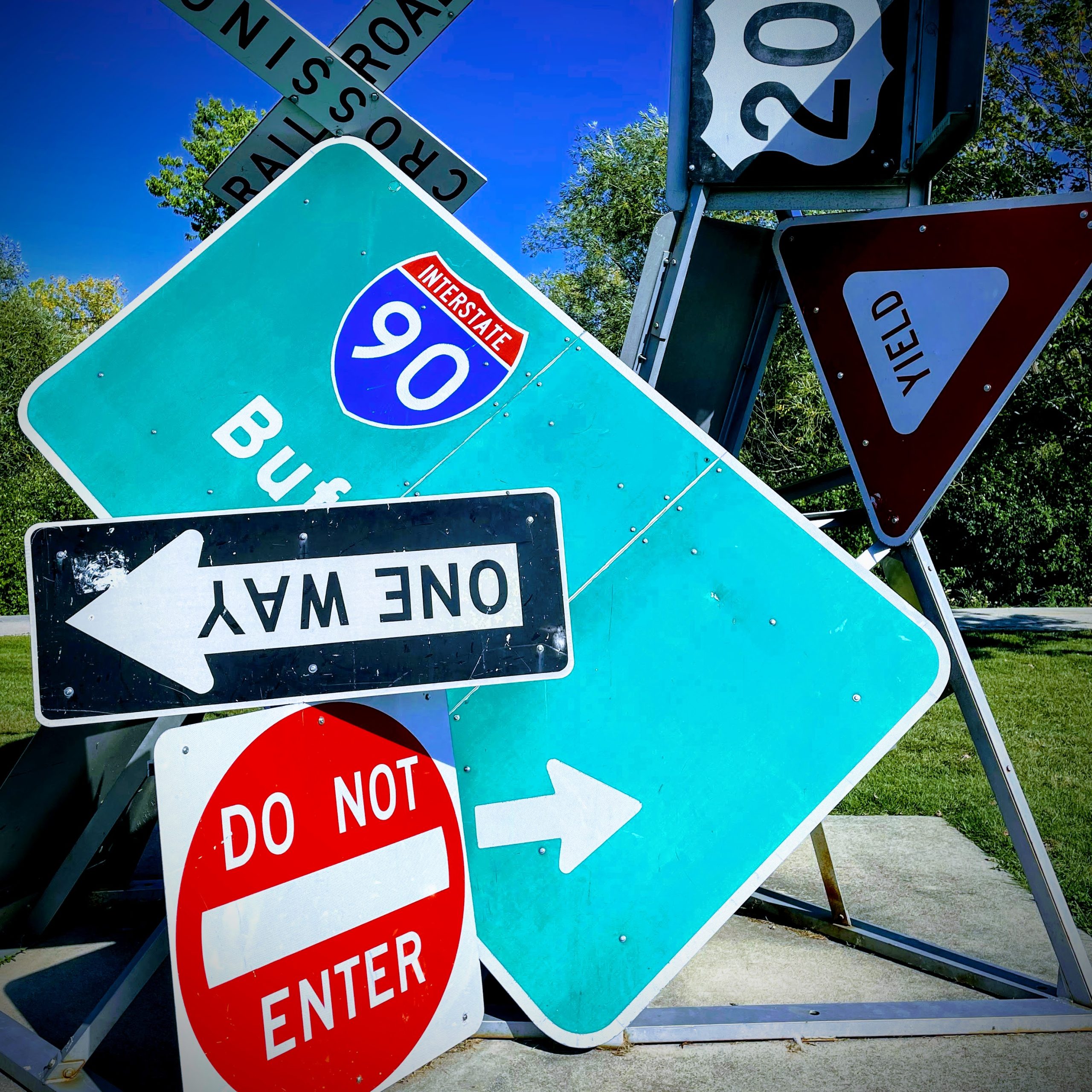
    Jumble of Travel Signs
    Post-Pandemic Travel Guidance

    No travel since the last episode, so just talking through a random potpourri of travel stuff. There’s more travel planning; this time for a couple of weeks split between London and Wales which means sorting through a new set of COVID travel requirements. We look at some stats — Uber’s latest financials and how deeply last year’s lockdown hit Nashville airport vendors. I marvel at how much European mobile data rates have fallen, strip down my English to have a deeper chat with an Italian bartender, and wrap it all up with highlights from this year’s traveler’s gift guide. All this and more – click here to download the podcast file, go up to the Subscribe section in the top menu bar to subscribe on your favorite site, or listen right here by clicking on the arrow on the player.

    Here is the transcript of TravelCommons podcast #181:

    Since The Last Episode

    • Intro music — Warmth by Makkina
    • Coming to you from the TravelCommons studio in Chicago, Illinois, only 2 weeks after the last episode. Decided to kinda short-cycle this episode, see if I can get in an actual November episode rather than wait for December like I said at the end of the last episode. And to think that I used to do these weekly when I started out in 2005. Oh, the enthusiasm of youth — and notebooks full of unused travel stories. I was going through some of those old episodes while doing a bit of website maintenance. The TSA gave me a lot of fodder for content back in the day. It was only 3½ years old when TravelCommons started, so I got to comment on (bitch about) all their growing pains — the start of the shoe carnival, the liquid ban, all the different tries at screening technology (who could forget those “puffer” machines?) and, of course, their stellar customer service. But once I started going through PreCheck in 2012, there wasn’t much more to comment/bitch about — which I know is a good thing overall, but it did leave me with a big content hole, kinda like in those TV series where the villain becomes one of the good guys in season 3 — what do you do next?
    • And 16 years on, as I slouch towards semi-retirement, my travel experiences are changing. I’m thinking less about clever new ways to navigate ORD’s Monday morning road warrior rush hour or about totaling up delays on a 4- or 5-city cross-country itinerary, and thinking more about planning for longer leisure(?)/experiential(?) travel. Though I guess that’s not a complete change.  
    • Going through those old episodes reminded me that, even back at the start, I was talking about leisure travel — to the point that episodes #8 and #9 were done while on vacation! I can only imagine what my family was thinking when they heard me nattering away in the bathroom of the Geneva, Switz Novatel and the Budapest Marriott.
    • But back to the present… Obviously, no travel since the last episode, just travel planning for our trip to the UK next week — a week in London and then heading out to southern Wales for a week of walking, hiking, pretty much just being cold and wet because I didn’t get enough of that while biking in Puglia. 
    • A big chunk of my time has been spent trying to figure out exactly what COVID paperwork we need to get into the UK. Since we’re vaccinated and coming from a non-red list country, we don’t need to show a negative COVID test before getting on the plane, but instead we have to get a test done in the UK and have to pre-pay for it so we can also fill out a passenger locator form 48 hours before departure. The UK government’s website is actually pretty good, with links to approved test providers. But most of them want to ship the test to a UK address, which is good if you’re returning home to the UK; less good if you’re staying in a hotel or Airbnb. So now I’m trying to figure out — do I risk a long line at a Heathrow test center when we land or do I find a place somewhere in London the next day? Kinda makes me long for the days when all I had to worry about was finding a bank before 3pm on Friday to cash an American Express Travelers Check so I had cash for the weekend…. Nah, who am I kidding? That was so much more of a pain than this. Worst case, I figure out how to eat a full-cooked English breakfast standing up while in line.
    • Bridge Music — Countryside Summer Joyride by Kara Square (c) copyright 2017 Licensed under a Creative Commons Attribution Noncommercial (3.0) license. http://dig.ccmixter.org/files/mindmapthat/56281 Ft: Javolenus

    Following Up

    • This time last year, in the November 2020 episode, we talked about all the end-of-the-year “don’t leave me” offers from the airlines and hotels, 20-50% cuts in whatever metric they used to award status —  stays, nights, miles, stays, segments, spend. And at the end of that bit, I said “Maybe they’ll be doing it again this time next year if that ‘Well, it’s probably more like the end of 2021 or maybe into the beginning of 2022 before things start feeling normal; forecast turns out to be true.” A year later, and after the Delta variant knocked down everyone’s Q3 revenues, I haven’t received any airline status sales yet, but I’ve already received status extensions from Marriott, Hilton, and, weirdly enough, IHG — weird ‘cause I don’t have any status with them… that I know of, maybe I need to check. They’re all extending status for another year, to February or March 2023. So everyone’s kept their 2019 status for 3 years now — 2020, 2021, and now 2022. And why not? Since a lot of the cost is concierge lounges that have been closed and free breakfasts that are now boxes with a yogurt and an orange, it’s probably the cheapest way to buy continued customer loyalty.
    • We’ve talked a lot in this podcast about Uber and Lyft. Back in episode #154 in August 2019, I asked “Will We Still Love Uber and Lyft When The Prices Go Up?” after both CEOs talked about getting to “rational pricing” — “rational” being CEO-speak for “higher”. And then this year, talking about their post-pandemic driver shortages, customer service issues, and rising prices — a pretty common topic. The Times of London asks “Is Uber Dead?” and the Chicago Tribune says in an editorial “We were wrong to abandon Chicago’s taxicabs for ride-shares and the city now needs to find a fix” which is a bit of a laugh because 4-5 years ago, everyone here complained that you couldn’t get a cab other than downtown or the airports, and definitely never in the poorer neighborhoods of the South and West sides.  If you read the highlights of Uber’s Q3 financial results released last week, they’re not quite dead. They trumpet that Q3 was their “first Adjusted EBITDA profitable quarter as a public company” Adjusted EBITDA – a fun accounting construct meaning “earnings before taxes, depreciation, and all the other bad stuff” and that the number of active drivers is up more than 65% since January. But what was interesting to me — their delivery business, like Uber Eats, now generates more revenue than their traditional ride business. And maybe competing for drivers? Does make some sense. As the Times’ writer put it, “Food doesn’t complain about the route and parcels tend not to throw up on the back seat.”
    • Back in episode #170 last December, we talked about how the CEO of Qantas had stirred up a good bit of controversy saying “We will ask people to have a vaccination before they can get on the aircraft” and the resulting land grab in vaccine passport apps. United and Lufthansa were testing out the CommonPass app, Delta and Alitalia (may they rest in peace) the AOKPass from the International Chamber of Commerce, and British Airways and Iberia the Travel Pass from an airline industry group. I said back then that it was a little messy, but it made sense since I didn’t think the handwritten card the CDC was handing out was going to pass muster at a boarding gate. Now, less than a year later, the Qantas CEO’s quote is pretty much standard operating procedure for international travel.  But vaccine passport apps? It’s a bit more mixed. Last month I flew Air France, United, Lufthansa, and ITA, the successor to Alitalia, and was never prompted to download any apps. Instead, I pulled out my trusty CDC card many times to prove my vaccination status, and for my flight home, opened Gmail on my iPhone a couple of times to show the PDF of my negative COVID test.  Pretty low tech, but honestly, at least in Italy, it worked faster than the EU’s Green Pass QR codes. We’d show our CDC cards and after a second or two be waved through while the Europeans were still trying to right-size the QR code on their phone screens so the scanner would register it. Upgrading to iOS 15.1 on my iPhone let me add a digital vaccination card to my Apple Wallet, but I don’t know where I’ll actually use it.
    • And if you have any travel stories, questions, comments, tips, rants – the voice of the traveler, send ’em along to comments@travelcommons.com — you can send a Twitter message to @mpeacock, post your thoughts on the TravelCommons’ Facebook page or the Instagram account at travelcommons — or you can post comments on the web site at TravelCommons.com.
    • Bridge Music — Jester of the Golden Apocalypse by Super_Sigil (c) copyright 2011 Licensed under a Creative Commons Attribution Noncommercial (3.0) license. http://dig.ccmixter.org/files/Super_Sigil/34750

    Travel Potpourri for $600

    • Regular listeners know that, every now and again, usually when I’m scraping for content, I gather up the odds-‘n’-ends from my travel notebooks that I can’t get “grow up” into a stand-alone topic and just string ‘em together into a Jeopardy-like topic “Travel Potpourri”. 
    • I recently read some stats about how the March 2020 lockdown impacted Nashville’s airport — daily passenger count went from 50,000 to 500, and only 8 airport concessions out of a pre-COVID count of 52 survived. And now, 20 months later, passenger counts are pretty much back to pre-pandemic levels, but the concession count isn’t. They’re only back to 34 — 18 food places and 16 shops, newsstands and other things. It takes more time to start things up than to shut them down — especially when you have to get all your workers and supplies through TSA security every day. I’ll keep this in mind the next time I want to complain about a 10-deep line for a cup of coffee.
    • Traveling to Europe again means re-bookmarking the Prepaid Data SIM Card Wiki so I can research mobile data plans again. For 4 years, I didn’t have to worry about it. The EU had outlawed roaming charges and so I’d just use the UK SIM I bought the first time we took our daughter over to Scotland for college. That worked well until Brexit day last year. So on our first day in Bari, I searched out the nearest TIM store — stands for Telecom Italia Mobile, I think. I wanted one of Italy’s big networks because our cycling tour would be taking us into the countryside, and so was OK paying a bit more for better coverage.  The last time I bought a mobile SIM in Italy was 5 years in Pisa and it was a huge hassle. But in Bari, we walked into the store, and the clerk was great. She kinda figured we were looking for SIMs, knew about the international plan I’d found on their website, and got the whole thing done in maybe 15 minutes. The price — €25 ($30) for 70 GB of data, which, for all practical purposes translates to unlimited data — meant the break-even point vs. paying AT&T $10/day for international roaming was 3 days. Since we were in Italy for 16 days, it was a well-spent 15 minutes. I was amazed at how far mobile data prices have fallen. The last time I was in Europe, the fall of 2019, I put £10 on my EE SIM (about $12 back then) and got 3 GB. I just topped up that SIM again for our UK trip and got 15 GB for £15 — 500% increase in data for 50% more money. That should hold us for 2 weeks. 
    • In many past episodes, I’ve talked about how my search for local craft beer has taken me to places outside the typical travel bubble. And, for me, this is even more important since I’m doing less (no?) business travel. Because the nature of business travel — traveling to work with clients who live there — makes it easier to connect with that place, even if it’s just through hallway conversations like “What’d you do over the weekend”, but most times, it’s them saying “Oh, you gotta go to my favorite place while you’re here.” Our Puglia bike tour ended in Lecce in lousy weather. The rain had started the night before and continued dumping the next morning. We skipped the last ride. You could say we were lightweights, but we didn’t want to have to figure out how to pack soaking wet biking clothes. I wanted to walk around Lecce a bit before our dinner reservation, but Irene was cold from the wind and rain. So she headed back to the hotel while I searched out a beer bar I’d found on Untappd.
    • The place was pretty empty when I walked in; 7pm, it was early by Italian standards. The draft handles were all from a local Lecce brewery, so I asked the bartender, a young guy, his favorite, and he pointed to the IPA tap — of course, but it was a pretty solid session IPA. He offered me a table, but I asked him if I could just stand and drink at the counter. We started to chat a bit (“Why have you come… to Lecce?”) His English wasn’t great (though orders-of magnitude better than my Italian, which is sorta damning with faint praise) so I started stripping down my English — no slang, no contractions, clean articulation, simple declarative sentences. But in maybe a verbal corollary to the Mark Twain-ism “I would have written a shorter letter if I had the time…”, I find it takes a lot of thinking, a lot of mental work to do this, to strip my English down to something easily understandable. And the bartender appreciated it. “English people talk so fast,” he said. “I have a hard time understanding everything they say.” And by making my English more understandable, he gained confidence in his, and pushed it into more interesting topics like the split between Northern and Southern Italy (“They hate us!”) and even within Puglia (“We hate Bari and Bari hates us!”).  And why he wants to work on his English (“It’s so much more useful than Italian. A German person, a Swedish person comes into the bar; we all talk English)”. He was happy to get to practice his English. I was happy to oblige, and get a little peek at non-tourist Puglia without knowing any Italian.
    • Bridge Music — South Texas Cowboy Blues by texasradiofish (c) copyright 2015 Licensed under a Creative Commons Attribution Noncommercial (3.0) license. http://dig.ccmixter.org/files/texasradiofish/52030 Ft: unreal_dm, ElRon XChile

     2021 Traveler’s Gift Guide

    • Last week, I posted this year’s traveler’s gift guide. You can find it on the front page of the TravelCommons’ website; I’ll also put a link in the episode description so you can click to it straight from your podcast app. If last year’s gift guide was about helping people travel handle last-minute lockdowns with suggestions like bring-your-own dining sets and upscale in-room coffee brewing kits, this year’s guide is stacked with the gift ideas to help cope with all the predicted airline meltdowns when holiday passenger traffic smacks straight into crew and ground staff shortages. 
    • I’m not going to run through the whole list — you can hit the website for that — but I’ll hit a couple of highlights. Top of this year’s list is battery packs. We talked in the last episode that we just can’t easily travel anymore without a working mobile phone. It holds our boarding passes and our proof of COVID vaccination, gives us gate change and flight delay notifications, and routes us around traffic jams. A dead phone while flights are being cancelled is more than just a bit of an inconvenience; having that second or third charge immediately available is critical when trying to swerve a long delay. There are a lot of choices; just pick one. I carry Zendure and Anker power banks; they’ve served me well. (And thanks to Jim McDonough for QA’ing the power bank links in the original blog post!)
    • Number 2 and a perennial favorite – Noise Canceling Headphone or Ear Buds. Whether you’re sitting in a noisy airport waiting out a delay or are up in the air, it’s great being able to cut out all the background noise and find your Zen place with the flick of a switch. I’ve been carrying Bose headphones for at least 15 years and am now on my 3rd pair, the Bose 700’s. They’re not compact yet they continue to earn their space in my travel bag. I find over-the-ear cans more comfortable, but if you can handle in-the-ear buds for extended periods, Bose does ear buds, or for Apple ecosystem diehards, my kids recommend the AirPod Pros.
    • Another suggestion for Apple ecosystem inhabitants is Apple’s AirTag. They have a lot more range than straight Bluetooth trackers like Tile because AirTags can ping off of any nearby Apple device, not just yours, to report its location. Putting an AirTag in your checked luggage can you see if your bag is joining you on the new flight the airline just rebooked you on, or you can hang one from your backpack to track it if it somehow wanders off down the concourse while your eyes are trying to find your delayed flight on the airport’s departure board.
    • Back in the July episode, episode #177, I said my USB-C to HDMI cable was the most important piece of travel kit on my trip through the Northeast because, it let me mirror my MacBook Air on the hotel and beach house TVs so I could sit back with a beer and comfortably watch YouTube highlights of the Euro 2020 soccer tournament and the Tour de France on 40-60” flat screens instead of hunching over a 13” laptop screen.
    • And at number 9, a smartphone tripod. My Square Jellyfish phone tripod is light and doesn’t take up much space, but came in very handy while doing my COVID test video session in Italy the morning before my flight home. The eMed test proctor wanted to watch me swirl the cotton swab in my nose and then insert it into the test kit. I’m not sure how I would’ve done that while holding my phone. I use it a lot more than I thought I would for video calls and to watch quick videos on my phone.
    • So there you go, something to fit all sizes and budgets in time for Black Friday and Cyber Monday, or if you’re just killing time waiting for your Thanksgiving flight to leave.

    Closing

    • Closing music — Pictures of You by Evangeline
    • OK, that’s it, that’s the end of TravelCommons podcast #181
    • I hope you all enjoyed the show and I hope you decide to stay subscribed.
    • You can find us and listen to us on all the main podcast sites — Apple Podcasts, Spotify, Stitcher, SoundCloud, Google Podcasts, and Amazon Music. Or you can also ask Alexa, Siri, or Google to play TravelCommons on your smart speakers. And across the bottom of each page on the web site, you’ll find links to the TravelCommons’ social  — Facebook, Twitter, Instagram, and the YouTube channel.
    • If you’re already subscribed, how ‘bout leaving us a review on one of the sites? Or better yet, tell someone about TravelCommons. That word-of-mouth thing; it’s really the only way to grow.
    • If you have a story, thought, comment, gripe – the voice of the traveler — send ‘em along, text or audio file, to comments@travelcommons.com or to @mpeacock on Twitter, or post them on the TravelCommons’ Facebook pageInstagram account,  or website at travelcommons.com. Thanks to everyone who has taken the time to send in e-mails, Tweets and post comments on the website
    • Follow me on Twitter
    • “Like” the TravelCommons Facebook page
    • Direct link to the show
  • Podcast #180 — Tracking COVID Travel Requirements; Cycling Thru Puglia

    Podcast #180 — Tracking COVID Travel Requirements; Cycling Thru Puglia

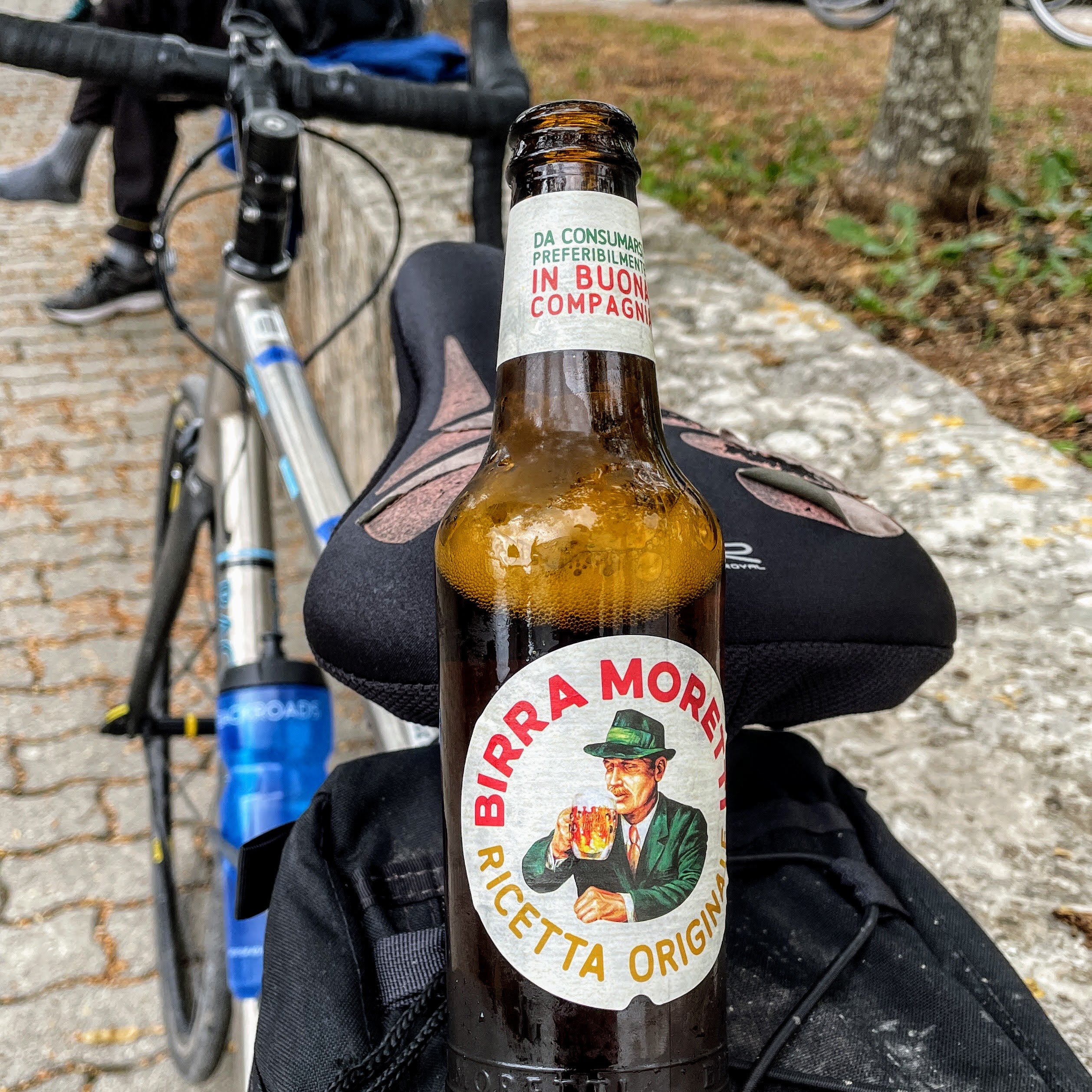
    Gotta Stay Hydrated

    Back at the microphone after two weeks in Southern Italy. Lots of travel segments that could’ve gone wrong, but none of them did. We talk about what international travel is like in COVID times, about the challenge of keeping track and complying with the different COVID travel requirements that seem to be constantly changing, and then some thoughts about our bike tour through Puglia with Backroads. All this and more – click here to download the podcast file, go up to the Subscribe section in the top menu bar to subscribe on your favorite site, or listen right here by clicking on the arrow on the player.

    Here is the transcript of TravelCommons podcast #180:

    Since The Last Episode

    • Intro music — Warmth by Makkina
    • Coming to you from the TravelCommons studio in Chicago, Illinois after 2 weeks in the south of Italy, a cycling tour through Puglia, and then visiting friends in Sicily; they’re grabbing one last bit of sunshine, topping up their vitamin D levels before the short, cold days of northern Europe’s winter sets in. I’ve talked in the last couple of episodes about travel planning for this trip, the changes, the shifts I’ve had to make, and about all the places, the segments that could’ve gone wrong — but none of them did! For sure there was a little weirdness along the way, especially in Sicily, but every flight and train leg was on-time and pretty uneventful. 
    • We hit what are now typical mask rule inconsistencies right off the bat in ORD. We walked into the Swissport Lounge that Air France and others use for business class and got the mask rules — mask on unless actively eating or drinking; airplane rules — and then walk into a small room with no food and a pretty dire bar. We sat down, but after a couple of minutes walked back out, straight down the concourse to Tortas Frontera, our favorite ORD restaurant, for good margaritas, and where they were applying Chicago indoor mask rules — you can drop your mask once you’re at your table. It was worth paying $90 to drink quality in comfort rather than playing mask peek-a-boo with the Swissport’s free wine.
    • The next morning, DeGaulle was more confusing than I remember it being in 2019. Getting from Terminal 2E to 2F seemed to take more cognitive power than it should’ve; maybe I hadn’t gotten as much sleep on the flight over as I thought. But all in all, it was an easy, uneventful flight over to Italy.
    • As I expected it to be. My biggest worry was our flights the following week from Brindisi in Puglia to Catania in Sicily, connecting through Rome on what would be the second day of operations for ITA, the Italian government’s successor to the bankrupt Alitalia. This itinerary certainly wasn’t my first choice, but as I’ve mentioned in the last couple of episodes, I didn’t have another one. There were labor actions leading up to the switch over that had disrupted operations, and even without that, you’d figure there’d be at least a hundred places where some minor snafu could botch up their big Rome hub. But other than a couple of agents maybe staging an impromptu work slowdown at the Brindisi check-in desk (or that was just their normal pace), it all went smoothly. And really, across all our travel legs, but for wearing masks and having our vaccination cards checked, it didn’t seem all that different from 2019. Now I know that’s a pretty big “But for”, but I’ll happily take it.
    • Bridge Music — Perfect Stranger by stellarartwars (c) 2014 Licensed under a Creative Commons Attribution (3.0) license. http://ccmixter.org/files/stellarartwars/45510 Ft: TheDice

    Following Up

    • Jerry Sarfati hit the TravelCommons’ Instagram feed to say that he’s seen no delays in TSA’s Global Entry processing. Jerry said
      • “Thanks for the latest podcast. I refreshed my Global Entry. Very easy. Was told 72 hours later that all was approved; no interview needed.”
    • Thanks for that, Jerry. I just checked. A month-and-a-half later (936 hrs using Jerry’s unit of measure), the TTP Dashboard (Trusted Traveler Program) still shows an hourglass next to “Wait for Conditional Approval”. But I’m guessing I’m probably a bit more of a suspect character than you. 
    • Twitter user @LAflyer weighed in on last episode’s discussion about how business travelers are still MIA (missing in action)
      • “Thanks for the new episode. In my opinion, face-to-face is becoming increasingly the edge case. I think we’ve proven we can manage so much remotely that the need for on-site/in-person meetings will be the exception, not the rule anymore. That’s ok with me. I prefer my own bed over traveling 200,000 miles annually.”
    • I think this is a valid and widely-held opinion/belief/hope — that beginning in March 2020, we’ve now all lived through an extended crash course in remote work and video conference, we’ve done it successfully, and so can significantly reduce the need for business travel, which will allow people to spend more time in their own beds and with their families as well as reducing business expenses, and reducing airplane carbon emissions. How much business travel will be eliminated? That’s the big question that I’m guessing will take another year before we begin to see the answer.
    • Back in the August episode,  asking the question “What Will Remain from These Pandemic Times?” the death of daily hotel room cleaning service was at the top of my list. Indeed, Hilton had just announced their move to on-demand housekeeping across all their non-luxury brands. But in Italy, I saw none of this. Not only did every hotel service our rooms every day, they were still doing turndowns every night. And they were doing their regular breakfasts, though with staff plating your food from the buffet rather than you digging in yourself. Now, we weren’t staying at major brands; only small Italian brands or independents, so I don’t know if that changes things, but they were much better hotel experiences than I’ve had recently in the US.
    • I didn’t realize how aggressive Apple is about iOS updates until this trip. I update pretty quickly when I’m at home, but on this trip, it seemed like I had to wave off the 15.0.2 update every couple of days. I didn’t bring my laptop with me, so I had no way to recover on the slight chance that the upgrade bricked my iPhone — without which I wouldn’t have been able to do the video chat session for the Abbott home test kit or display the test results, which was how we were getting back into the US. As if we didn’t know it already, you just can’t easily travel anymore without a working mobile phone.
    • I’ve talked in past episodes about how I will use a VPN, a virtual private network, when using public WiFi networks in hotels, airports, Starbucks to make my connection more secure. I’ve used all the top paid VPNs over the years — ExpressVPN, NordVPN, PIA — and am using NordVPN now. And I’ve never had a problem with nailing up a connection — until this trip to Italy. More than a couple of times, the VPN client wouldn’t connect to an Italian server. So, as I’m too prone to do, I bitch-tweeted at NordVPN and, to their credit, they immediately responded. We flipped over the direct messaging and they started trouble-shooting. What finally worked was connecting to one of their obfuscated servers, specialized VPN servers that hide the fact that you’re using a VPN. I don’t know if there are Italian regulations against using VPNs or if it’s just a couple of Italian ISPs blocking VPNs for some reason. Whatever the reason, I give NordVPN props for constructively responding to my whining and quickly solving my problem.
    • Also back in the August episode when talking about booking our travel over to Italy, I talked about burning off some Amex points to fly Air France business class. I think, by now, the standard business class seat is an individual pod that give you your own space, your own cocoon — some are snugger than others, the buttons and amenities are a bit different — but over the last 5-6 years, that’s what I’ve come to expect when I walk into a business class cabin. So when I got to my seat on this Air France 777, I was very underwhelmed — no pods, just a standard 2-3-2 seat configuration with no separators between the seats. I tweeted out a couple of pictures. It wasn’t a great first impression. But the service was good, the food and wine were very good (as I’d expect from Air France) and they didn’t put a 3rd person in Irene’s and my center section. And I ended up sleeping very well, probably with the help of an after-dinner armagnac.
    • Flying home was Lufthansa from Catania to Munich and then United straight to ORD.  I wasn’t thrilled with the connection through Munich; the last time we’d connected through there, long lines at passport control and security had us sprinting down the concourse to make what should’ve been a reasonably timed connection. But this time, it wasn’t a problem. There was maybe a 5-minute queue at passport control and no additional security, so we had time to grab some breakfast in the Lufthansa lounge before heading down to the United gate. Walking to the gate, I said to Irene “Looks like they fixed whatever the problem was when we were last here ‘cause it’s been a smooth connection.” And as the word “smooth” left my mouth, we saw the line. Luckily, for us, we weren’t in it. There was a huge tailback out of passport control for people arriving from the US getting into the Schengen zone to make their connecting flights — the same thing that happened to us. So they hadn’t fixed the problem. Arriving MUC from the US; still a problem. Leaving MUC to the US; not so much. I’ve filed that away for future reference.
    • Once on the United 787, I noticed that our seatback screens weren’t working. I mentioned this to the flight attendant when she came by to check on us. It wasn’t a problem; there was no one in the center section and all those screens were working, so we could just slide over if we wanted to. As it was, Irene was reading a book and I was listening to podcasts, so we didn’t need the screens. I just figured I’d tell the flight attendant so the ORD maintenance crew would know to look at it.  About halfway through the flight, the attendant comes back around and says she wants to give us something for our inconvenience. “I want to do something for you because you’ve been so nice about this,” she said. There was absolutely no inconvenience, but if United wants to give me free stuff, who am I to refuse. She pulled out her phone, opened an app, and for each of us, checked our e-mail addresses, and asked if we wanted 7,500 miles or $150 in credit (we took the money). And when we lit up our phones on the runway at ORD, we both had emails with the voucher details. I gotta be nice more often.
    • And if you have any travel stories, questions, comments, tips, rants – the voice of the traveler, send ’em along to comments@travelcommons.com — you can send a Twitter message to @mpeacock, post your thoughts on the TravelCommons’ Facebook page or the Instagram account at travelcommons — or you can post comments on the web site at TravelCommons.com.
    • Bridge Music — Paint the Sky by Hans Atom (c) 2015 Licensed under a Creative Commons Attribution (3.0) license. http://ccmixter.org/files/hansatom/50718 Ft: Miss Judged

    Tracking COVID Travel Requirements

    • If my biggest worry on our Italy trip was our Saturday flights on ITA, my second, more chronic worry was that we’d get caught up in paperwork hassles at one of the borders we were crossing (France, Italy, Germany, the US), maybe missing something in all the different requirements, having some airport gate agent or train conductor or immigration guy enforcing their own unique interpretation; or not our paper CDC vaccination card not accepted in lieu of an EU Green Pass QR code on our phones. The great thing, as I said earlier, is that none of this came to pass. And at the end of each travel day, I let out a small sigh of relief — just enough to feel good, but not so much that it might jinx the next travel day.  
    • Catania Airport, where we flew into and out of Sicily, was the only place that things got a little weird. We landed there at 8pm after a pretty flawless trains, planes, and automobiles travel day — a on-time, almost empty train ride from Lecce to Brindisi, a taxi to the airport, the no-problem ITA flights, and now in Catania, our bags were the first ones to pop out on the luggage belt.  Another small sigh of relief and we walk out of baggage claim to meet our friend — only to be waylaid by two security guards. “Where did you come from?” one of them asked. “Rome,” I said. “Where are you from?” “The US”. “Go to the line on the right,” she said. I looked at the sign; it said “COVID-19 test.”  Apparently, Sicily, or maybe just Catania, was requiring on-site COVID tests for non-EU arrivals. I was completely blindsided. There was nothing like this when we landed in Bari, in Puglia, 10 days earlier, and I didn’t see this anywhere on any of the many Italian governmental websites I checked before our trip. I looked down the testing line; it was beginning to tail back; this was going to be a bad time. “Wait! Wait a minute!” I said to the other guard, “We’ve been in Italy since the beginning of the month.” I pulled out my paper boarding passes that luckily I’d saved. “See, we started our flight in Brindisi; we just connected through Rome.” “You’ve been here two weeks?” he asked. Actually, it was more like 10 days, but I wasn’t going to correct his math. “OK, no need to test. Go to the left,” and he waved to his colleague to let us through. We quickly walked outside before either of them could change their minds and saw the COVID test line full of people trying to fill out forms on each other’s backs while standing in a line that led into a large room full of cubicles where yet more people were waiting to be tested. It looked like at least an hour’s worth of a very bad time. I was very happy the security guard was fluent enough in English to let me talk my way out of that line.
    • All the different shades of testing and tracking requirements — by country, by state, even by city —  Italy requiring an EU digital passenger locator form, proof of vaccination, and a negative COVID test taken within 72 hours of arrival (vs. the US’s requirement that the test be taken within 72 hours of departure); Puglia adding to that another form to be filled out and emailed to the regional health department before arrival; there’s Sicily’s stealth on-arrival COVID testing, and I’m still trying to figure out exactly what the UK wants of us for our trip there in the back-half of November because it looks like the rules changed a bit this week.  It all keeps you a bit off-balance, a bit anxious that you’ve missed something which is going to land you in a long, expensive line somewhere.
    • The mechanics of it all caught me off-guard at first. Checking into our Air France flight in ORD, the agent checked our vaccination cards and digital passenger locator forms (which, in spite of being digital, I’d printed out to make it easier to show someone). When we arrived in Bari, we walked straight out of baggage claim to the terminal. There was no one to check any of our paperwork. The same thing happened to my son Andrew last month when he flew into Barcelona. It seems like governments have made all of this a boarding requirement and pushed the responsibility to check it onto the carrier. Kinda like the carrier checks your passport and visa to make sure you can get into the country you’re going to; they’ve tacked on these additional COVID requirements. But even then, when I land in a new country, there’s still someone in a booth checking my passport. Irene tried to show one border police guy her vaccination card and he just waved her off.
    • But Italy requires proof of vaccination to go inside a restaurant or bar or a cathedral or an airport, so while the border cops weren’t interested in our vaccination status, a lot of waiters were. We kept our CDC cards handy, tucked in our passports. I worried about places turning us away for not being able to show the EU Green Pass QR code, but again, I was happy to be wrong. There was only one place, a restaurant in Bari, where a young waitress hesitated when we showed her our CDC cards, but almost immediately, one of the older waiters ran up, looked at the cards and said it was all good. Maybe some of this is timing. When Italy first re-opened back in, what July?, and people were trying to figure things out on the fly, it would make sense that waiters or gate agents would turn away people with unfamiliar pieces of cardboard. But now, 2-3 months on, they seem to have figured it out. I’m hoping I can too
    • Bridge Music — Dub the Uke by Kara Square (c) copyright 2016 Licensed under a Creative Commons Attribution Noncommercial (3.0) license. http://dig.ccmixter.org/files/mindmapthat/53340 Ft: DJ Vadim

     Cycling Through Puglia

    • This trip didn’t start off with the idea “Let’s go to Puglia!” Instead, it started at the tired end of a Chicago winter as a combination of “Let’s go back to Europe” and “Let’s go on a cycling tour!” and then looking at what rides were available in the fall, in October because, back in April, Europe was not doing a great job with vaccine roll-out. And that was our path to Puglia. 
    • We’d done a self-guided cycling tour in southwest Scotland some years ago, but in southern Italy, never been here, not sure how much support there would be and how English would be spoken, we decided to go with a full tour. We narrowed the tour companies down to Trek Travel and Backroads. They both had good Puglia itineraries. I’d done a Trek tour in Moab, UT some years back, so we decided to give Backroads a shot.
    • There were 16 people on the tour, 12 of which were Backroads veterans; some very much so. One couple had done a Provence tour with them in July and another woman was doing back-to-back tours — the week before she’d ridden their Sicily tour and then flew straight up to Bari for this tour. These veterans said that Backroads does a great job organizing everything; it makes travel easy. It’s kinda the same thing I hear from people who are big into cruising — show up in some part of the world and have people take care of you. All that being said, after 6 days and 200 miles in the saddle, I came away happy (if a little sore) with the tour and impressed with the hospitality and service ethic of the Backroads tour guides.
    • We were riding through Puglia the week of October 10th which was probably a week too late because the towns were beginning to close up for the season. One day, we had a couple of hours in the hill town of Ostuni for lunch, but struggled to find places that were open. Many of the restaurants were dark, even though the signs on the doors said they should be open, as did the hours listed on their websites and their Google Maps listings. No signs saying “Closed for the season”, just locked doors through which we would see chairs on all the tables. We had similar experiences in Otronto and to a lesser extent in Lecce. One of the Backroads guides said that Puglia is a popular destination for Italian tourists from up north; many of them have vacation homes there. And when those folks head home, the remaining locals and handful of misdirected tourists aren’t enough to keep all the bars and restaurants going.
    • But the touring was great — riding alongside groves of huge, old, gnarled olive trees with vegetable crops like fennel and bitter greens planted underneath; and along the Adriatic Sea, up on the ridge along the coastal road and then down through little beach towns and fishing villages. 
    • And I think that’s the way to do Puglia, touring, doing a couple of days each in Bari and Lecce wandering through the narrow streets of their old towns, a day in Otronto, with half-day stops in Alberobello, Matera, and/or Ostuni, maybe a day or two hanging out in a nice agriturismo or one of those beach towns on the Adriatic. 
    • We drank a lot of wine, mostly the local Primitivo, a grape closely related to California’s Zinfandel, and ate a lot of seafood, especially octopus. At dinner during our second night in Bari, a young guy walked in with two small clear plastic buckets full of small octopus, very similar to a bucket I saw at the feet of a fisherman at the dock earlier in the day. I don’t think the seafood we were eating that week had been out of the Adriatic for much more than 24 hours before it hit our plates.
    • It was a different experience, a different vibe from our prior trips to Italy, which had all been up north — to Tuscany, to Milan, to Venice. But biking through those olive groves, those fields, those little towns; that’s the lower key experience we were looking for — and got — on our time in Puglia. If you want see pictures, head over to the TravelCommons’ Instagram site and click on Puglia/Sicily where I’ve collected some of the better Instagram Stories pictures.

    Closing

    • Closing music — Pictures of You by Evangeline
    • OK, that’s it, that’s the end of TravelCommons podcast #180
    • I hope you all enjoyed the show and I hope you decide to stay subscribed.
    • You can find us and listen to us on all the main podcast sites — Apple Podcasts, Spotify, Stitcher, SoundCloud, Google Podcasts, and Amazon Music. Or you can also ask Alexa, Siri, or Google to play TravelCommons on your smart speakers. And across the bottom of each page on the web site, you’ll find links to the TravelCommons’ social  — Facebook, Twitter, Instagram, and the YouTube channel.
    • If you’re already subscribed, how ‘bout leaving us a review on one of the sites? Or better yet, tell someone about TravelCommons. That word-of-mouth thing; it’s really the only way to grow.
    • If you have a story, thought, comment, gripe – the voice of the traveler — send ‘em along, text or audio file, to comments@travelcommons.com or to @mpeacock on Twitter, or post them on the TravelCommons’ Facebook pageInstagram account,  or website at travelcommons.com. Thanks to everyone who has taken the time to send in e-mails, Tweets and post comments on the website
    • Follow me on Twitter
    • “Like” the TravelCommons Facebook page
    • Direct link to the show
  • Podcast #179 — High-Tech Airport Lines; Business Travel Still Missing

    Podcast #179 — High-Tech Airport Lines; Business Travel Still Missing

    Standing in Line! © Lance Smith/Flickr

    Not much travel, but a lot of travel planning for our first post-lockdown international trip to Italy. Trying to thread our way through changing COVID rules and Alitalia’s bankruptcy throes. I’m getting inundated with discount offers for Clear’s fast-pass service. I’ve resisted them so far, because I remember back to when the first incarnation of Clear wanted to sell its members’ biometric data. We then talk to Xovis Technology‘s Cody Shulman about how airports are better managing all sorts of lines in airports. Finally, air passenger traffic is dropping again because business travelers are still missing-in-action (MIA). All this and more – click here to download the podcast file, go up to the Subscribe section in the top menu bar to subscribe on your favorite site, or listen right here by clicking on the arrow on the player.

    Here is the transcript of TravelCommons podcast #179:

    Since The Last Episode

    • Intro music — Warmth by Makkina
    • Coming to you from the TravelCommons studio in Chicago, Illinois; no travel since the last episode, just a lot of travel planning. I’ve talked over the past couple of episodes about pushing forward with our first post-lockdown international trip; a bike tour through the bootheel of Italy. We booked the trip in the spring and then last month — I talked about in the last episode — we booked our hotels pre- and post- the ride and the flight over. But not the flight back, because — what else do we want to do while we’re here? I just wrapped up an interim CIO gig last week, so there’s no huge rush to get back — and it’s been 5 years since our last time in Italy, so… As we were thinking about this, a friend, a former colleague pinged me “ Hey there – Just saw your tweet about your upcoming international trip. Sitting here waiting for our pierogies (he now lives in Southern Poland). Where’re you going?” Turns out he and his wife will be in Syracuse, Sicily in October. So there was our answer — after our bike tour ends in Lecce, we catch a flight to Catania and hang out on the beach for the next week. And I can’t remember the last time I said this, but “Thanks, Twitter” for that.
    • So, next step, fire up Google Flights and look for one-way flights from whatever airport is near Lecce to Catania. Which turns out to be Brindisi Airport in Salento — 24 miles, an €8/30-min train ride from Lecce, so pretty convenient, except that the best flight to Catania is an Air Dolomiti-Lufthansa connection with a 13-hour layover in Munich. Yeah, no. So next I look at Bari, where we’re flying into. 90 miles away; less convenient, but doable. The flight options are not much better — a 6am Ryanair flight (which I kinda think of as Spirit Airlines without the charm), a 5pm flight with Volotea (whom I’ve never heard of, but Google and Wikipedia say they’re a budget airline based in Barcelona), and those same insane Air Dolomiti connections through Munich. This makes no sense. What gives? A little more Googling tells the rest of the story. Alitalia has been winding through bankruptcy since 2017 and now 4 years later, after 75 years as Italy’s national carrier, it’s finally closing down– the day before I’m trying to book our flight to Sicily. Timing; it’s a beautiful thing.
    • A little more Googling says there’s a new Italian carrier coming, ITA, but it’s still working through negotiating for Alitalia’s landing slots and equipment and labor contracts, so it’s not taking bookings yet. OK, then. Getting out of Lecce is starting to pick up a little “escape room” vibe. It’s a 7-hr drive, a 14-hr train; so if we’re going, we’re flying. I book the most basic seats on the Volotea flight — €17 for two seats — just to have something and let the whole Alitalia/ITA thing play out a bit more; I can always add the luggage fees and reserved seats later if need be. I book it on Weds, Sept 1; 5pm flight out of Bari, gives us time to have breakfast, pack, and train up to the airport with enough time to deal with the craziness of budget airlines, which is key. My last budget airline experience was flying Wow Air from Reykjavik to London. I arrived 2 hrs before check in to see what appeared to be a stationary check in line of a couple of hundred people. Three days later, on Saturday, I wake up to an email from Volotea saying “We regret to inform you that given the current context of uncertainty about the evolution of the COVID-19 pandemic, we have been forced to reschedule your flight.” to 12:30 — 4½ hrs earlier. I look at the train schedule — there goes the leisurely breakfast and a bit of the budget airline safety margin, but it’s doable. The next Saturday, the 11th, I wake up to yet another Volotea e-mail (you’d think these guys would knock off early on Friday). Same wind-up — “given the current context of uncertainty about the evolution of the COVID-19 pandemic” — but worse punch — “we have been forced to cancel your flight”. Ugh, guess that door out of the Lecce escape room was a dead end. I fire up Google Flights again and now see Alitalia flights out of Brindisi. Seems their replacement, ITA, has figured out how to take bookings. But following the link from Google Flights takes me to the Alitalia website with a banner still saying they’re shutting down. Another escape room fake exit? I flip over to Amex Travel; I can book the flights there. No direct flight, so I take the afternoon flight with a 2-hr connection in Rome. I put it on the Platinum card; figure I’ll need all the status I can get if I have to file for a refund. And then this week, I read about Alitalia telling passengers to bring just a single piece of hand luggage because of strikes and growing labor protests. My friend sends me a text “You still tracking for Sicily?” “Kinda” I replied.
    • Bridge Music — Give You Up by Yongen (c) copyright 2007 Licensed under a Creative Commons by-nc-sa v1.0 license

    Following Up

    • Jim McDonough stopped by the TravelCommons Facebook page to leave a comment on the post pointing to my list of the best bars and restaurants I’ve visited in 2021. I said that I think it’ll take guidebooks a while to catch up with all the closures caused by the COVID lockdowns. Jim agreed, saying
      • “I heard Rick Steves talking about the topic. All of his guidebooks are out of date. It will take him all of 2022 to get them repaired – assuming Delta, etc don’t clobber 2022”
    • As predicted in the last episode, Southwest Airlines extended their in-flight alcohol bans to January 18, 2022, staying aligned with the new expiration of the federal in-flight mask mandate. American also extended their economy-class ban, but continue to serve alcohol in their first and business class cabins. That alignment offers them a good explanation for the ban right now, but it’s going to make it tougher to reinstate in-flight drink service because I don’t see the feds ending the in-flight mask mandate anytime in the near future. Although, I dunno, maybe as the US’s only Prohibition airline, Southwest is looking to reposition their “Wanna Get Away?” slogan as “Wanna Get Away from Drunk Mask Fights on Spirit and United?”
    • Back in the Spring, I talked about Irene and Claire missing their Global Entry/PreCheck expiration notices and then in June, about a fake email “make sure your PreCheck doesn’t expire” phishing campaign that scammed a bunch of benched frequent fliers. So last week when I got an email starting “Your Trusted Traveler membership will be expiring soon”, I was a little wary. I was expecting it; after Irene and Claire missed their renewals, I logged in and saw that mine expired in December. But still, I examined the entire email — message headers, mail server authentications. It looked legit, but even then, I typed the web address ttp.dhs.gov into the browser rather than clicking through the link in the email. It was legit, so I buckled in, selected Global Entry (which I always recommend since for only $15 more, you get both PreCheck and the fast path through US passport control), and cranked through the application. It wasn’t bad; the only part that required any real thinking was the 5-year look back on international travel. I had my passport in front of me, but if you’ve country-hopped within the EU’s Schengen Zone, you only get stamped going in and out of the zone, but not when crossing borders within the zone. In kind of a sad commentary on my traveling style, one of the things that helped me fill in those blanks was a spreadsheet of my downloaded Untappd check-ins. I opened it up in Excel, filtered out check-ins before 2016 and venues in the US and Mexico (turns out I haven’t been to Canada in the last 5 years), and then wrote down the countries that were left. Very easy, and an incentive to always have at least one beer in each country I visit — like I needed any more encouragement.

      After I paid the $100 fee and was dropped back to the front page, I saw two interesting notes. The first –“Please remember to revisit our website for your application status updates. Notification of when you may schedule an interview appointment (if one is needed) will only be posted here.” So I guess don’t trust any emails about interviews. The second was more interesting – “Due to a significant increase in application volume, we are extending the grace period from 18 months to 24 months for any submitted renewal application. This means you will continue to receive full benefits for 24 months while U.S. Customs and Border Protection is finalizing your renewal application.” Which was interesting because the email I got from them said “6 months to 1 year”. Whichever it is, my guess is that I’m not getting that interview scheduled anytime soon. 
    • I’ve gotten a bunch of discount offers recently for a CLEAR membership — $100 off with United, full statement credit from Amex. I’m not sure why the sudden push, but I’m holding out. I enrolled in CLEAR’s first iteration, back in April 2008, 13 years ago — I talked about it in episode #64 (but not before I slandered the Dutch by saying their language sounded a bit like a competitive throat-clearing exercise). A couple months later, I wrote a blog post about my experiences — it was OK, but I couldn’t see much value over, what was to me, free premium status lines. And today, I’m still not sold on its value over PreCheck. But what really keeps me from picking up one of those free membership offers is that the first iteration of CLEAR abruptly closed down the next year and had to be sued to stop it from selling its customers’ biometric data — fingerprints and iris scans — before it went bankrupt. The current iteration of CLEAR says “We never sell or rent personal information about you”, but I dunno. They reserve the right to update their privacy policy periodically. What keeps them from updating that “We’ll never sell” sentence when money gets a little tight.
    • Bridge Music — Flight by Ga’inja (c) copyright 1999 Licensed under a Creative Commons by-nc-sa v1.0 license

    High-Tech Airport Line Avoidance

    • Frequent travelers are an obsessive lot — they/we obsess over things like packing efficiency (utilizing every cubic inch of our carry-ons) and gaming frequent flier programs. But top of the list is avoiding airport lines. For years after 9/11, line avoidance was more an art (or luck) than a science — through trial and error you’d get a sense of which lines would be shorter during Monday morning rush hour in ORD, or maybe some good-hearted airport worker would shout “There’s no line at Checkpoint D” and then jump out of the way of the stampede of roller-boards.  And then, we jumped at the chance to give iris scans to CLEAR or allow the TSA to do background checks in exchange for a shorter line, brushing off any questions about the trade-off of privacy for convenience.
    • But what about the airports — what are they doing to help us out? To dig into this side, I talked to Cody Shulman, managing director, Americas at Xovis Technology about how they help airports track and report on the airport lines we’re trying to avoid.
      • Mark: Cody, a number of big US hubs have installed Xovis’ technology, DFW, Minneapolis- St Paul, San Francisco, Atlanta. How does your technology help travelers in these busy airports?
      • Cody: Let’s take DFW for example. Let’s first take back-end efficiency. We’re kind of behind the scenes. That’s where DFW terminal operations and their customer experience teams are working together to use the system. They’ll make key staffing changes where passenger traffic is the busiest and do it in the moment. And at the same time, they’ve taken the approach to give access to the local TSA leadership. So, there is no longer a disagreement when there is an issue. Problem solved rather than just finger pointing — it was bad, there was a line, there was a queue over here; no, there wasn’t — because we’ve visualized it all for them, it’s facts. And then on the public side, the passenger facing side, you have all the same information at your fingertips that the airport has. So, before arrival you can use the DFW airport app to see all 15 checkpoints and their current wait times by queue down to the two-minute interval.
      • Mark: Cody. I’ve noticed that, in more and more airports you go to, the airport websites aren’t great, they’re not optimized for mobile, which you think would be a key use case, and sometimes they’re not well publicized. But if you drill in and you find them, you actually can find those sorts of wait time stats and those are critical. So, at DFW, is that your technology driving those stats?
      • Cody: Yes, exactly. And I think you’re also spot on in saying that they’re underpublicized and underutilized. DFW, before they instituted and implemented that into their app, had pretty low utilization. In the world of FlightAware and Flight Tracker, people have these agnostic airport apps that can do everything with tracking of your departure and what not. But then when DFW added this, it’s really useful for DFW because you can use any single checkpoint among those 15 and reach your gate and, on top of it, when the situation, even if it’s somehow dramatically changed when you got there, the signage right in front of you at the airport still shows for every terminal where there are three checkpoints, the wait time at the adjacent terminals and the walk time. So you can self calculate and figure it out yourself
      • Mark: Yes, absolutely. I’ve seen that more and more lately and it seems to be like a good add on.
      • Cody: There’s a trust element even to it as well. So, when this first started to launch with the airport, they were doing it with very vague statements: under 15 minutes, over 15 minutes. Then they went to between five and 10 minutes/10 and 15 minutes, and gradually they trusted the accuracy of the system down to two minutes. Any more than that they decided would just be kind of wonky for the customer. I remember when they first put up those signs. I can still remember the woman: she came up to me in front of the television screen and said, “Excuse me, do you work at the airport?” I kind of shrug my shoulder and go with you can probably answer your question rather you know, why not? So, she goes “That thing up there, is it right. Do you trust it?” And in my head, I’m going “Oh, you’ve asked the wrong guy.” Like I could, I could go on for minutes and minutes here.
      • Mark: Yeah. How do I say no to that? But Cody, what makes it accurate? What makes you confident that you’ve got something down to a two-minute interval?
      • Cody: The system works with two key components. We have software, which is dashboards that are our live visualizations and historical ones for users. And we have hardware. We have sensors. Those sensors are designed for airports. They’re made by Xovis ourselves, and they’re optimized around queuing, and queuing in a complex environment like security, or especially check in which is super unstructured. We’re measuring a very specific thing, and that’s people and it’s their height. You end up under a sensor. It’s not a camera. And we’re taking a measurement of your head height and your shoulder height. And with the difference between those two we’re sure that it’s you as in a human; not mark, not anything else that’s personally identifying but that’s it’s you. That’s step one. That’s a person. There are lots of people around in a queue. We want to make sure that we capture people exhibiting what we call queue-like behavior. So that’s moving in a sequence close enough to other people understanding that some people travel in groups and then there are some independent, and we balance that out algorithmically, so that we know that it’s a person and they’re in the queue.
      • Mark: How do you guys manage traveler privacy?
      • Cody: It’s a super relevant and honestly, for me, a pretty easy question; we’re not detecting faces. Nor are we detecting heat or mobile devices or anything else sort of personally invasive or inconsistently available across every person. It’s just those heights. And again that height differential. So, when we transmit data off our devices, our sensors were not transferring images. It’s just coordinates. It’s X and Y; there’s nothing personally identifiable.
      • Mark: Cody, looking out what’s in the development around adding more convenience to help future travelers. If we look out 2-5 years, what’s next on the horizon for travelers?
      • Cody: To me, the most noteworthy thing for the passenger side is a connected and a predictive experience. Take Seattle. Our services are present on all the checkpoints in Seattle and we’ve taken it a step further and integrated with Delta in their FlyDelta app. There’s a feed to the user in the app to know what wait time to expect when you’re a departing passenger from Seattle. Let’s take that one step further and for that particular elite or frequent flyer in their office. It’s a weekday afternoon. They have to catch an evening flight. What if all the things talk to each other and said, “Hey, this is the time you should probably leave.” Okay, you’ve set up auto enable your Lyft to come at this time. It’s going to drop you at the security checkpoint that, in this moment, we know is the best one because you can reach your gate from any of the five. Then you’re through security. You have time for that extra beer which, not only do you want to have, but the airport wants you to have, because that’s where the real money is. You’ve your beer; you’re happy; you’re relaxed. They’re getting revenue. Happy, relaxed people spend more and then you’re “Wait! I have to grab…” I had a beer, but I grab a water before my flight. So, you walk over to Hudson news and there’s a line. Again, you don’t know that there’s another Hudson news, which there probably is, 3 doors over. Maybe that doesn’t have a line which is better for your wait time, or in COVID times, maybe a more comfortable experience. It’s not as crowded. Or restroom. You get off a plane, you want to know how crowded it is when it was last cleaned. And then flip it to the operational side: stop cleaning in a circle. Clean when that wide body plane came in with 400 people who all went to the first restroom and that thing’s trashed now.
      • Mark: I’ve seen that, I’ve experienced that before.
      • Cody: Just having a smart airport experience and even in public US airports, which are strapped for cash. There’s a changing tide and I expect to see that coming forward and making a customer better experience for everybody.
      • Mark: Fantastic. Cody Shulman, managing Director Americas, Xovis Technology. Cody, thanks for taking the time with us
      • Cody: Mark, thank you. It’s been a pleasure.
    • Bridge Music —The Void by Saurab Bhargava (c) copyright 2006 Saurab Bhargava

    Business Travel Still MIA

    • Listening to airline and hotel CEOs let the air out of their revenue forecasts for the rest of the year, I went back to the TSA’s web page that gives the daily numbers of passengers going through airport security checkpoints. Back in the June episode, the first time I had fun with those numbers, checkpoint volume had passed 2 million for the first time since the lockdowns and the numbers were going up. Looking at a 7-day moving average to smooth things out a bit, it grew through June until it hit 2 million the first week of July. But after a month, in the first week of August, it turned, dropping back below 2 million and now, running in the 1.7 million range, about 20% down from its peak. Over the same period in 2019, the peak number was 2.6 million and it never dropped below 2 million.
    • It kinda makes sense. This summer’s peak was driven by leisure travel — people, families getting out of the house and going to see places and other people. But as that travel faded, as it always does, when kids go back to school, this time there isn’t enough business travel to replace it.
    • As I mentioned at the top of the episode, I just finished up a 6-month interim CIO gig. It’s had the least amount of business travel of any job I’ve had — by a long shot. Regular listeners to TravelCommons will recall that there have been times when I’ve traveled every week for 3-4 months straight, and a year or two when there was maybe 6 weeks in those years that I didn’t travel. So this last gig, where I had only one business trip, down to Miami in May, was a huge change in my standard operating procedure. 
    • I’ve talked in past episodes about this, skeptical of predictions like Bill Gates’ that 50% of business travel will go away. I was going through the TravelCommons archives, cleaning up show notes and the like, and found an episode from December 2008 where I was answering listener questions about why I travel for in-person meetings instead of video conference; when tech analysts were saying it was “on the brink of widespread adoption.” I’m nothing if not consistent.
    • Of course, it’s difficult to do in-person meetings when people are still working from home; it would be a bit awkward doing a sales call around someone’s kitchen table, having to project the PowerPoint deck on their white tile backsplash. I gotta think you’d lose a bullet point or two in the grout lines.
    • But by fits and starts, slowed by the Delta variant, people are heading back into their offices and international travel barriers are dropping. At this CIO gig, one colleague, the global head of operations, lived in the UK and so couldn’t get into the US to meet with his staff at some newly acquired plants. He was doing daily video calls, but after a couple of months, he’d made all the progress he could and needed to physically meet with these people. So when Canada dropped their travel ban, he flew from London to Toronto, holed up in a hotel room, worked through Canada’s 14-day quarantine, and then drove across the US border at Buffalo and caught a domestic flight to Chicago. It’s just one data point, but I’m grabbing on and holding tight, hoping to tell Bill Gates “Told you so!”

    Closing

    • Closing music — Pictures of You by Evangeline
    • OK, that’s it, that’s the end of TravelCommons podcast #179
    • I hope you all enjoyed the show and I hope you decide to stay subscribed.
    • You can find us and listen to us on all the main podcast sites — Apple Podcasts, Spotify, Stitcher, SoundCloud, Google Podcasts, and Amazon Music. Or you can also ask Alexa, Siri, or Google to play TravelCommons on your smart speakers. And across the bottom of each page on the web site, you’ll find links to the TravelCommons’ social  — Facebook, Twitter, Instagram, and the YouTube channel.
    • If you’re already subscribed, how ‘bout leaving us a review on one of the sites? Or better yet, tell someone about TravelCommons. That word-of-mouth thing; it’s really the only way to grow.
    • If you have a story, thought, comment, gripe – the voice of the traveler — send ‘em along, text or audio file, to comments@travelcommons.com or to @mpeacock on Twitter, or post them on the TravelCommons’ Facebook pageInstagram account,  or website at travelcommons.com. Thanks to everyone who has taken the time to send in e-mails, Tweets and post comments on the website
    • Follow me on Twitter
    • “Like” the TravelCommons Facebook page
    • Direct link to the show
  • Podcast #177 — B-Sides and Rarities… Interview Outtakes

    Podcast #177 — B-Sides and Rarities… Interview Outtakes

    Microphone and a Beer Can
    Now I’m Ready For the Interview

    After a 2-week, 2,500-mile and $120 in tolls driving expedition through the Northeast, I didn’t have much time left to write a new episode. So, I mined the audio files of recent TravelCommons interviews for some good stories that got left on the cutting room floor. We also talk about planning for a bike trip in Italy, a couple of things that might make the 2021 traveler gift guide, and we mourn the demise of American Airlines’ in-flight magazine. All this and more – click here to download the podcast file, go up to the Subscribe section in the top menu bar to subscribe on your favorite site, or listen right here by clicking on the arrow on the player.

    Here is the transcript of TravelCommons podcast #177:

    Since The Last Episode

    • Intro music — Warmth by Makkina
    • Coming to you from the TravelCommons studio in Chicago, trying to get this July episode in under the wire, a bit delayed due to a 2-week, 2,500-mile and $120 in tolls driving expedition through the Northeast that started with a 12-hr drive from Chicago to Manhattan on the Friday of the 4th of July weekend with as much of our daughter and as much of her worldly belongings as would fit in a BMW X3, helping her move into a 5th-floor walkup in Midtown. I was very pleasantly surprised to hit only two backups on what was forecasted to be the first really big post-lockdown travel day; a detour around an accident in the Poconos on I-80 and then, at the end of our drive, the completely predictable back-up at the mouth of the Lincoln Tunnel. A completely and happily uneventful drive. I then spent the rest of the week finding a different spot every morning for my standard Manhattan breakfast — egg & cheese on a toasted everything bagel and making sure they don’t slip some milk into my black coffee order — before spending the day in front of my laptop on a not-very-big desk in our not-very-big hotel room while Irene helped Claire get her flat all set up. 
    • The next Friday, we left Manhattan for a week’s vacation in Maine with an intermediate stop in New Haven, CT’s Little Italy neighborhood for the classic white clam pizza at Frank Pepe’s. It was a bit of a wait — a 20-minute queue on the sidewalk and then another 45 minutes after ordering — but it was worth it. I’ve had many tries at white clam pizza before, but this one was, by far, the best — a generous helping of clams, garlic, and oregano on a cracker-crisp crust . We walked past other pizza places on Wooster St, but only had time to hit one, and so it had to be the ur-pizza joint, the classic, Frank Pepe’s. And luckily for us, it didn’t disappoint; the line along the sidewalk is well-earned.  You know, the Michelin Guide says a one-star restaurant is ‘High quality cooking, worth a stop!’, a two-star is ‘Excellent cooking, worth a detour!’, and describes a three-star as ‘Exceptional cuisine, worth a special journey!’ I’m not saying that Frank Pepe’s is a two-star place, but I will say that it was damn good pizza that was definitely worth our detour.
    • We then headed up to Scarborough, ME, just south of Portland, for a beach vacation with friends.  The traffic on the drive north was a steady stream of RV’s and pick-up tracks and cars with “roof bags” tied down on top and bikes lashed to the back that continued to thicken from I-91 to I-84 to I-90 to I-495 until it finally ground to a halt trying to merge onto I-95, which was itself filled with the same thick sludge of vehicles trying to make it north for the weekend. And then the weather wasn’t great — rainy, foggy, misty (now I know where Steven King got all his inspiration) so our time devolved into an week-long seafood fest — a bivalve-palooza of local mussels, oysters, and clams; intensive longitudinal lobster roll research; and, ignoring the current UK debate about crustacean sentience, multiple boiled lobster dinners — and taproom tour, hitting the big names like Allagash, Maine Beer Company, and Oxbow as well as some (many) other little guys. And then, finally, on the last day, sunshine.
    • After a week of this, the rain started up again as we turned around and headed back home, getting on I-90 in Albany and not getting off until we hit Chicago. It too was an uneventful drive, but not in a great way. By the end of that day, we’d developed a deep, deep hatred of those miserable strips of boring asphalt and the hellhole rest stops that make up the Ohio and Indiana Tollways. I hope Claire loves her new life, ‘cause I really don’t want to have to drive that way again.
    • Bridge Music — One for Me by SackJo22 (c) copyright 2009 Licensed under a Creative Commons Attribution Noncommercial (3.0) license. http://dig.ccmixter.org/files/SackJo22/21492 Ft: Haskel

    Following Up

    • I have to say that the most important piece of travel kit on this trip was my USB-C to HDMI cable that let me mirror my MacBook Air display on the hotel and beach house TVs so that I could sit back with a beer and comfortably watch YouTube highlights of the Euro 2020 soccer tournament and the Tour de France on 40-60” flat screens instead of hunching over my 13” MacBook Air. I had a version of this in my 2019 traveler gift guide, but it got bumped off the 2020 version to make room for bring-your-own dining sets. But with restaurants and bars open and so not having to eat every meal in my hotel room, I think I’ll reverse that change and put this cable back on the 2021 guide.
    • I don’t know if masks will stay on the 2021 guide — that depends on transportation agency rules — but I bought another batch of the evolvetogther masks that I called out in the 2020 guide because, even after in-flight mask mandates get dropped, I might still wear a mask on a crowded flight during the cold and flu season because, for the first time in forever, I didn’t get my usual killer cold last year. Without a mandate, I probably wouldn’t wear a mask in the airport and probably not in a fairly open plane, but I think so when it’s a full flight, when there’s someone next to me in the center seat. I think about it — they’re exhaling maybe 14-16 inches away from where I’m inhaling. No airplane HEPA filter is going to be able to get in between that exchange. I say that now, but I’ll have to re-visit it after in-flight mandates go away and I’m boarding an 8-hour flight to London; that’ll be the real stress test.
    • In episode #175 back in May, I talked about making some Q4 bets on international travel — a Backroads bike tour in southern Italy in October and the UK in November. Back in the spring, vaccine roll-outs were choppy, especially in the EU, but I thought that everything would sort itself out over the summer making booking travel in the fall not such a risk. Now this was pre-delta variant, but while in Maine, we got an e-mail from Backroads with the subject line “Your Trip Is A Go!” followed shortly thereafter by an alert from Chase of a very large charge dropped on our Sapphire Visa card. Now we need to start tracking travel requirements. Back in May, the best bet for US travelers was to take a “COVID-free” flight on Delta or American to avoid the 2-week quarantine. Then, a month later in June, Italy significantly eased those requirements. Now, you fill out a pretty extensive on-line passenger locator form with all your trip information and your COVID vaccination card and you’re good to go… into Italy. Getting home, the US is still requiring a negative COVID test no matter what your vaccination status is. But, back in May, the CDC said Abbott’s at-home test can be used. It’s not quite as easy as a home pregnancy test — the Abbott test requires you to download an app and enough bandwidth for a video chat with a doctor to visually confirm your identity and the test results — but it beats having to hunt down at a testing place in a new city.
    • In the last episode, I did a bit of “fun with numbers,” pulling daily air passenger numbers from the TSA’s website to look at Memorial Day weekend numbers and then a couple of weeks after that when, on June 11, passenger counts broke 2 million for the first time since the March 2020 lockdowns. Extending that analysis — from mid-June to now, the last week in July, checkpoint volume growth has plateaued — the TSA volume numbers averaging just over 2 million/day since the last episode. That’s more than 3 times the 623,000 daily average for the same time last year, but still 21% below 2019’s number. But to a lot of fliers, it doesn’t feel that way. It’s back to full planes, long lines, and tight schedules that can’t recover from inevitable summer thunderstorm delays. Airlines are minimizing schedule slack, trying to claw back some of their 2020 losses, but also because of labor shortages — from crews to ground-support staff, the people who drive the fuel trucks and cater the planes. Some of that is common to other industries — people slow to reenter the workforce or took jobs elsewhere when furloughed — but there’s also something unique to the airlines, staff in the wrong places because travel patterns have shifted. We’ve talked about this before, but with leisure travel snapping back much faster than business travel, the usual big travel destinations — LGA, ORD, DFW — are giving way to mid-sized airports. The fifth-busiest airport in the world is now in Charlotte, N.C., according to flight data. Charlotte had more flights in June than LAX. Made it tough to be able to spend any time in one of their famous white rocking chairs.
    • Last month, American Airlines pulled the plug on American Way, their in-flight magazine. Not surprising. Delta, Southwest, and Alaska all pulled theirs out of their seatback pockets in March 2020 and, most famously, 5 year before COVID in 2015, Skymall disappeared into a Chapter 11 puff of smoke. I, for one, will miss American Way. I’ve always read in-flight magazines and liked that American Way came out twice a month, so it didn’t get as stale as the other ones. Way back in episode #15, waay back in 2005, I called them “reading safety stock” because if I was stuck on the runway waiting out a weather ground stop or sitting in  Detroit’s “penalty box” for a couple hours waiting for a landing slot, I’d quickly chew through my own stack of reading material, because, back then, all electronics had to be turned off on the ground and below 10,000 ft to keep a “sterile cabin” for takeoff and landings, and most flight attendants were pretty particular about enforcing it. But all is not lost. United Airlines restarted the physical Hemispheres magazine in June after going all-digital in March 2020.
    • And if you have any travel stories, questions, comments, tips, rants – the voice of the traveler, send ’em along to comments@travelcommons.com — you can send a Twitter message to mpeacock, post your thoughts on the TravelCommons’ Facebook page or the Instagram account at travelcommons — or you can post comments on the web site at TravelCommons.com.
    • Bridge Music —   Fall to pieces – Silence by mika (c) copyright 2010 Licensed under a Creative Commons Attribution Noncommercial (3.0) license. http://dig.ccmixter.org/files/mika/24945 Ft: Colab

    B-Sides and Rarities – Interview Outtakes

    • After the travel world was shut down in March 2020, I began wondering if TravelCommons would join the furlough ranks for lack of content. It’s tough to do a podcast that’s “more about the journey than the destination” if you’re not journeying. Grounded, locked down, I needed a different way to generate content, so I’ve been doing more interviews. Interviews aren’t less work; it’s just different. Instead of spending time writing, I spend it editing. The typical interview session is 20-30 minutes over Zoom (of course) which I edit down to a 6-8 minute segment which you hopefully find tight, focused and insightful.
    • But doing some quick math, that leaves two-thirds of the interview on the cutting floor. Not all of that is insightful — there’s, say, pronunciation guidance… that I still manage to screw up. But there’s still good stuff that, for whatever reason, doesn’t make it into the edited segment. So for this episode, I’ve pulled out the full interview files and pulled out some stories, some conversational threads that I left behind the first go-around. They’re pretty much unedited, save for snipping out a cough or two —  so you’re hearing the actual conversation.
    • The first “b-side” is from my conversation in episode #166 with Dr. Emily Thomas, associate professor in philosophy at Durham University in the UK about her book The Meaning of Travel: Philosophers Abroad. I reached out to Emily after reading a review of her book in the Wall Street Journal. It was one of my favorite interviews; one that I couldn’t cut down to just 6-8 minutes. But even with the extended play, this thread about different travel styles — going deep vs. checking off a place’s “greatest hits” — didn’t make it.
    • Next up are a couple of stories from episode #175 where I talked to Paul Melhus, CEO of ToursByLocals, about the local tour market. Paul first told me about the vagaries of selling shore excursion tours to cruise ship passengers and a story about the business challenges he faced in the first days of the COVID lockdown
    • The episode before that, #174 if I’m doing my math correctly, was another extended play segment — 12 minutes — about taproom tourism, but that was cut down from an hour-and-a-half Zoom beer drinking session with Rob Cheshire host of the UK’s This Week In Craft Beer podcast. Here’s one of the many taproom stories that didn’t make the podcast. You can catch the full uncut session on the website or the TravelCommons YouTube channel
    • Now it’s not that I didn’t do interviews before the pandemic. Back in January 2020 in episode #159, I had Allan Marko on talking about trip planning, how he and his wife planned their 9-week sabbatical around Southeast Asia. I thought this was perfect timing — January is always a big travel planning time. Two months later, most of those plans got blown to bits. But, back in those happier times, here’s a story about the dangers of losing a bag while on a different city-each-day trip
    • Editing last month’s interview with Dr Janet Bednarek, Professor of History at University of Dayton about the history of airports, I had to leave out this thread about who owns US airports.
    • And finally, something that’s not really a B-side. Back in episode #163, I used a piece of Steve Frick’s Travel Stories podcast where we talked about the first TravelCommons episode. Here’s another piece of our conversation where we talk about where our travel paths overlapped.

    Closing

    • Closing music — Pictures of You by Evangeline
    • OK, that’s it, that’s the end of TravelCommons podcast #177
    • I hope you all enjoyed the show and I hope you decide to stay subscribed.
    • You can find us and listen to us on all the main podcast sites — Apple Podcasts, Spotify, Stitcher, SoundCloud, Google Podcasts, and Amazon Music. Or you can also ask Alexa, Siri, or Google to play TravelCommons on your smart speakers. And across the bottom of each page on the web site, you’ll find links to the TravelCommons’ social  — Facebook, Twitter, Instagram, and the YouTube channel.
    • If you’re already subscribed, how ‘bout leaving us a review on one of the sites? Or better yet, tell someone about TravelCommons. That word-of-mouth thing; it’s really the only way to grow.
    • If you have a story, thought, comment, gripe – the voice of the traveler — send ‘em along, text or audio file, to comments@travelcommons.com or to @mpeacock on Twitter, or post them on the TravelCommons’ Facebook pageInstagram account,  or website at travelcommons.com. Thanks to everyone who has taken the time to send in e-mails, Tweets and post comments on the website
    • Follow me on Twitter
    • “Like” the TravelCommons Facebook page
    • Direct link to the show

  • Podcast #126 — Beating the Traffic; Rethinking Carry-On Luggage

    Podcast #126 — Beating the Traffic; Rethinking Carry-On Luggage

    Car trunks need carry-on luggage limits too

    Seems like I’ve been doing as much driving as flying since the last episode, so I’ve switched from apps that track flight delays to those that help me dodge traffic backups. I talk, yet again, about buying pay-as-you-go SIMs while traveling, but the need to do that may be ending. And I’ve reshuffled my carry-on luggage as the airlines have changed their rules. All this and more at the direct link to the podcast file or listening to it right here by clicking on the arrow below.

    Here is the transcript of TravelCommons podcast #126:

    • Intro music — Warmth by Makkina
    • Coming to you from the TravelCommons studios outside of Chicago, IL, hoping that everyone had a Merry Christmas — or Happy Christmas if you’re on the other side of the Atlantic — Happy Hanukkah, and a Happy New Year. I’m personally in trying a combo Dry-ish and Sugar-Free January in an attempt to drop 10 lbs of holiday weight that managed to sneak on-board — the downside, I guess, from staying off the road for the back half of December.
    • I eased back into travel mode with my usual Charlottesville trip the first workday of the New Year. I didn’t mind it too much since Charlottesville was about 20 degrees warmer than Chicago. It was nice to walk outside with just a scarf and a tweed jacket.
    • Between the last episode and my Christmas travel break, I did almost as much driving as I did flying. I drove down to Nashville the Friday after Thanksgiving to see my mother. That drive wasn’t so bad, The Sunday drive back to Chicago, though was a whole ‘nother matter. Then that next week, I had meetings in Richmond, VA, Baltimore, and Charlottesville. I didn’t even bother to look at flight schedules. I knew nonstop RIC-BWI and a BWI-CHO flights were non-existent and the 2-2.5 hour drive time was within my fly-or-drive tipping point. Neither drives were bad. The only hassle was the Hertz rental car. Since it was a one-way rental — I was picking up in RIC and dropping off in CHO — they gave me a beater car, an older Jeep Patriot that I think was the only car on their lot without Bluetooth, which made listening to podcasts or doing phone calls a bit less convenient.
    • It did give me a chance to explore Baltimore and Charlottesville a bit more than usual, though. On my past visits, I wouldn’t bother with a rental; would just taxi in from the airport, and then walk or Uber to places. But with the beater Jeep, I could wander with a bit more range. In Baltimore, I drove around the Fells Point neighborhood, ending up in the Thames St Oyster House, then threading through some waterfront areas that I had been a bit hesitant to walk through. In Charlottesville, I wandered through the countryside until I found Starr Hill Brewery. Kinda empty on a rainy Weds night, which meant the bartender had time to take me through a flight of her favorite beers. Maybe I’ve found the source of a few of those holiday pounds.
    • Bridge Music — ABANDONED BUTTERFLIES by THE_CONCEPT_OF_ENERGY (c) copyright 2016 Licensed under a Creative Commons Attribution license. Ft: Doxent Zsigmond, Snowflake

    Following Up

    • I’ve talked a couple of times in the past episodes about the benefits of buying a pay-as-you-go SIM when traveling internationally — $20 for a GB of data vs. AT&T’s $60 for 300 MB is easy math. The only hassle is buying the SIM. First, you have to find the phone store, which can be a bit of an Easter Egg hunt. Back in November, our first day in Italy was in Pisa. We land, get the car, and head to the city center to find the phone store. However, the easiest one to get to was closed — at 1 in the afternoon. Luckily, the next closest one was only a 10-minute walk and it was open. This time, I’d done my research before we left, purchased the SIMs online, and had printed out vouchers with bar codes, and instructions in English and Italian. I was ready for a quick and easy transaction. And yet again, I was wrong. The clerk knew nothing about the vouchers, didn’t know how to process them, and had to call around to other shops to figure it out. And then, each of the SIMs had to be registered and activated. Over an hour later, we’re sprinting out of the shop so we can make our time slot to get into the Leaning Tower — which we’d also pre-paid. And this was a pretty typical experience. Which was why I was really excited a telecoms industry consultant told me that the virtual SIM, or the e-SIM was getting close to launch. Apple took the first crack at this back in 2014, but it’s been a slow ramp up. The iPhone 7 I picked up back in Sept still has the classic SIM. But this guy was telling me that going SIM-less is just about possible. He said it’ll be like signing into a WiFi hotspot. The next time I land in Italy and turn on my phone, I’ll be presented with a sign-in screen where I’ll be able to select my carrier and plan, and charge it to my credit card. Now given how wonky some WiFi gateways are, I’m not sure that this is the best comparison to sell me on the service, but if it saves me a couple of hours of frustration when I’m at my most jet lagged, I’ll figure it out.
    • My age odometer clicked over again last month — which I guess is a good thing, because if it didn’t click over, I be… dead. So, unless I find that Dorian Grey portrait at a garage sale, getting older is better than the alternative. I try not to let it bother me — with varying levels of success. One thing, though, this does frustrate me is the need to bring my glasses into hotel bathrooms with me. Because it seems just as my reading vision is deteriorating, hotels are reducing the type size on their shampoo and conditioner bottles. As they try to go upscale with their toiletries, the bottle designers are taking the regular sized fancy labels into Photoshop and shrinking them down to fit on the front of a much smaller bottle, resulting is minuscule type that I might’ve been challenged to read in my 20’s let alone now. So my drill is to wear my glasses into the bathroom, figure out which bottle is shampoo, which is conditioner, and which is soap (or shower gel as they call it), and then line them up in order on the soap dish in the shower. Then take my glasses off, turn on the water, and hope that my lined up bottles don’t fall. The Hyatt Place that I stay at in Charlottesville is one of the few that doesn’t require this drill. They have a big “1” printed on the shampoo — it runs about ¾’s the length of the bottle — and a big “2” printed on the conditioner. And they’re in different colors. No need for glasses there. I love that hotel.
    • It’s accepted wisdom that the most disgusting place on an airplane is the seat back pocket, and it just keeps getting worse. As airlines try to tighten up their ground turns — how long a plane is on the ground before it takes off again — the amount of time the cabin clean-up crew has to do its job continues to shrink. I was reminded of this by a Chicago Tribune article right before Thanksgiving when many airport workers — cabin cleaners, baggage handlers, wheelchair attendants — threatened to strike during that busiest travel week. The reporter interviewed a cabin cleaner who recently moved to Chicago from San Juan, PR. She said her crew of four are given 7 minutes to clean the cabin; no where near enough time to clean up all the crumbs, spilled drinks, and wrappers ground into the carpet, let alone time to clear the junk people leave in the seat back pocket. “I don’t know what is wrong with passengers nowadays,” she said. I won’t even pull out the safety card when I’m sitting in the exit row. A buddy told me a story about flying Tunisair from Brussels to Tunis many years ago. After the meal service, when people were done eating, they just shoved their trays into the seat back pocket. I’m not sure it’s all that different today.
    • And if you have any thoughts, questions, a story, a comment, a travel tip – the voice of the traveler, send it along. The e-mail address is comments@travelcommons.com — you can use your smartphone to record and send in an audio comment; send a Twitter message to mpeacock, or you can post your thoughts on the TravelCommons’ Facebook page — or you can always go old-school and post your thoughts on the web site at TravelCommons.com.
    • Bridge Music — A Foolish Game by snowflake (c) copyright 2014 Licensed under a Creative Commons Attribution (3.0) license. Ft: Admiral Bob

    Beating The Traffic

    • As I mentioned earlier, I’ve done a bunch of travel by car lately. I talked in the last episode about driving through Tuscany. I was pleasantly surprised when Hertz upgraded us to an Alfa Romeo sports car, but when we had to drive through the rutted dirt back roads outside of Greve in Chianti, I was left wanting for something with a bit more ground clearance.
    • The Thanksgiving drive down to Nashville was a lot smoother. They finally finished the years of construction expanding the I-80/94 constriction point around Lake Michigan in Northwest Indiana, and the traffic from there to I-65 south flowed smoothly. We made good enough time to make a couple of beer stops — in Columbus, IN at a new Upland Brewing restaurant, and in downtown Louisville at Against The Grain Brewing.
    • The drive back would be a whole other matter — and I knew it and dreaded it. We drove down on that Friday, sailing through downtown Indy, Louisville, and Nashville because everyone was on vacation or shopping. Driving back Sunday though, we were right in the thick of the busiest travel day in the US. And while I always avoid flying on this day, I had managed to put myself on one of the US’s main north-south interstates. It would’ve only been worse if we’d been on the East Coast driving I-95 or the Jersey Turnpike. And it was the beat-down that I’d expected. The start of the drive out of Nashville was fine, and a bit pretty, going through rolling hills up to Louisville. The traffic was steady, but flowing. But we kept picking up more traffic as we headed north. We took a break in Indy this time, stopping off at Sun King Brewing right off the interstate, and then coffee-d up at a nearby Starbucks. North of Indy was when it really hit — more and more cars and trucks heading up to Chicago, but still just 2 lanes. And so when the inevitable accident happened — as it did many times that Sunday — closing down one of those lanes, cutting the already clogged road by 50%, Waze became, if not a life saver, a time saver. I was running 3 nav systems, Waze, Google Maps, and the in-dash BMW nav. All had real-time traffic, but Waze seemed to be the quickest in sensing the need for a reroute. A couple of times that Sunday, it would direct us to take the next exit after traffic had stopped, and would vector us around the bottleneck and back onto the interstate, saving us 15-20 minutes of crawling and at least 70 points of increased blood pressure. I did skip the recommended diversion through the south side of Chicago, though. Given the record number of shootings in Chicago, stop-and-go traffic didn’t seem quite the burden that it did in rural Indiana.
    • The next week’s triangulation across Richmond, Baltimore, and Charlottesville found me on I-95 having to make 2 passes around Washington, DC on the Capital Beltway, always a brutal 8-lane chokepoint. Heading up from Richmond Tuesday night, Google Maps told me to take the clockwise/west route around DC while Waze told me to go east. Odd since Google owns both. A friend said that he researched this a bit and found some articles claiming that Waze’s algorithm weighs current information more than historical trends; Google Maps tips the scales the other way. I don’t know if this is true — I haven’t been able to find anything that says this — but I often see different rush hour recommendations. Since Waze served me well on Thanksgiving Sunday, I went east and took the counterclockwise path around. It was a rainy night, but traffic flowed better than I expected and I made it to Baltimore in time for an oyster dinner.
    • In spite of juggling nav apps, I found that I was more productive driving from Richmond to Baltimore to Charlottesville than I would’ve flying. You’d think it would be the other way around, but lack of direct flights would’ve mean going up and down, connecting through Washington Dulles. And on those few minutes I might be able to work, full planes and tight seats make it seem almost anti-social to try to open a laptop. On my 3-hour drive from Baltimore to Charlottesville, though, I was able to hammer through 2 conference calls and an unhurried, wide-ranging conversation with my boss. He called me. I told him that I was having a nice drive through Virginia horse country. “Good,” he said, “I have you captive.”
    • Bridge Music — H2O by Doxent Zsigmond (c) copyright 2015 Licensed under a Creative Commons Attribution Noncommercial (3.0) license.

    Having to Think about Carry-on Luggage

    • I don’t usually think a lot about packing or luggage. And sometimes I think that puts me in the minority of frequent travelers. I know guys who obsess over their Tumi bags and specific packing systems. I used a grey Samsonite roller until the New Orleans sidewalks beat the wheels out to a 30 degree splay, and then I went back to my old black Victorinox with customs stickers from Thailand and Vietnam.
    • However, a few things in 2016 got me thinking about carry-ons — my carry-on experience with Wow Air in Iceland that I talked about in an earlier episode where I had to pull out half my clothes to meet the weight restrictions; my daughter’s light blue carry-on catching the eye of seemingly every gate agent she tried to pass, being forced to check it, and then having it lost 75% of her flights in 2016; and most recently, enduring long and often cold waits on a jet bridge waiting for my “valet checked” carry-on bag when flying regional jets
    • Starting from last to first, this regional jet thing kills me. It used to be that gate checking for a commuter flight wasn’t a big thing — the bag would be waiting for you on the jet bridge before you got off the plane. Now, as regional jets have gotten larger, they put the gate checked luggage in the same hold with the regular checked luggage, the only differentiating factor being the tag they put on at the gate. I’m typically waiting around 10 minutes with 40-50 other passengers, lined up on one side of an unheated jet bridge leaning over to see if my bag has come up yet. It’s gotten bad. On some of the larger Embraer jets flown by JetBlue, the overhead bins are large enough for regular bags, but on most of the regionals, you’re standing in that jet bridge line. After a while, this got real old, so I scrounged around through the old luggage in the attic to find a smaller duffel for 1-2 night trips that would fit in the overhead. I found a black nylon duffel from a 2007 National Retail Foundation tech conference that was an attendee giveaway. It had all the sponsors names stenciled across it — Oracle, Infosys. I kinda felt like a Nascar racer. But it did the job. I could squish it into the small overheads of the regional jets and so walk past the line of folks waiting for the “valets” to bring their luggage. But it still looked cheesy. So when I was in Italy in November, I kept my eye out for a nice leather bag. One rainy day in Florence – not unique on that trip — we dove into a covered outdoor market. Wandering through the stalls, I found a beautiful leather bag for 100 euros. My wife pointed to a bag the next size up — “Don’t you want this bigger one? It’s only 20 euros more.” Nope, that would defeat the whole purpose. I posted a picture of that bag on Twitter. Every time I walk up the ORD jet bridge when returning home from Charlottesville, I love that bag even more.
    • I remember when I first started traveling, you’d never see a hard-sided carry-on. Now it seems at least 30% of the carry-ons are hard-sided. I think a lot of it is fashion — they come in much cooler designs and colors, but there is some functionality to them. If you’re flying an airline that’s aggressively using a baggage sizer, it’s much easier to stay legal with a hard-sided bag. You can’t overstuff them to bulging like you can a soft-sided bag, and the polycarbonate shell slips much easier in and out of the metal baggage sizer. This is why I suggested to my daughter that she start using a hard-sided bag. And in a bit more muted color — something that wouldn’t grab the gate agent’s eye.
    • But if you’re working against weight limits as well as dimensions, like I was with Wow Air, you want the lightest, most stripped down bag possible. I haven’t experienced a carry-on weight limit in the US. Some US carriers post a 35 or 40 lb limit — even Spirit is at 40 lbs — but I’ve never seen a gate agent weigh a carry-on. The international carriers are where this comes in. Wow Air’s carry-on size dimensions are about the same as US carriers, but their weight limit is much less — 10 kg or 22 lbs — which seems like the consensus number for non-US carriers. In this case, you don’t want the extra weight of the hard siding. You probably don’t even want very sturdy wheels; just the lightest covering around your clothes that you can get. I know guys who’ll brag that they can fit everything they own into 2 suitcases. These guys are obviously aren’t doing carry-on.

    Closing

    • Closing music — iTunes link to Pictures of You by Evangeline
    • OK, that’s it, that’s the end of TravelCommons podcast #126
    • I hope you all enjoyed this podcast and I hope you decide to stay subscribed.
    • If you have a story, thought, comment, gripe – the voice of the traveler — send ‘em along, text or audio file, to comments@travelcommons.com or to @mpeacock on Twitter, or post them on our website at travelcommons.com. Thanks to everyone who has taken the time to send in e-mails, Tweets and post comments on the website
    • Bridge music from ccMixter.org
    • Find TravelCommons on Stitcher, SoundCloud, and iTunes
    • Follow me on Twitter
    • “Like” the TravelCommons fan page on Facebook
    • Direct link to the show
  • Podcast #125 — Uber Driver Stories; Overseas for the Election

    Podcast #125 — Uber Driver Stories; Overseas for the Election

    An aggressive Uber Pool driver
    An aggressive Uber Pool driver

    Back from 10 days in Tuscany where, among other things, we thought we’d avoid all the noise of the US presidential election. We succeeded… almost. One of my latest travel hobbies has been to quiz Uber drivers for their life stories. It makes for interesting rides to and from the airport. We also continue the ongoing thread about travel safety. This time, we talk about using Bluetooth in rental cars. All this and more at the direct link to the podcast file or listening to it right here by clicking on the arrow below.

    Here is the transcript of TravelCommons podcast #125:

    • Intro music — Warmth by Makkina
    • Coming to you from the TravelCommons studios outside of Chicago, IL, with a new episode just in time for the TSA Thanksgiving lines. I’m once again thankful that I’m able to avoid O’Hare this week — the busiest travel week of the year. Since the last episode, I’ve been in Boston, Baltimore, Charlottesville, Hoboken, and, for the first time, I landed at Lehigh Valley Regional Airport in Allentown, PA. I was surprised how nice an airport it is. I was expecting something smaller — just a handful of gates — and perhaps a bit dingier — maybe something along the lines of White Plains, NY. But it was clean and bright with big concourses — not a lot of people, but a lot of space.
    • Then I had 3 weeks at home — my longest non-travel streak this year. There is something relaxing about not packing and unpacking. It also makes you realize how much time you lose in the act of travel — standing in lines, waiting for security, to board the plane, to check in to your hotel, to get a cup of coffee…. The whole time, though, I was looking forward to getting back on the road — because my next trip was with my wife to Tuscany for our 25th anniversary, revisiting the scene of our honeymoon.
    • We flew into Pisa by way of Munich, another new airport for me. But I was much less impressed by this one. Things were going fine — nothing special in typical German airport style — until we hit security. There were a dozen lines that were just crawling. There weren’t that many people trying to go through security — it was 10 or 11am on a Friday — but maybe the security union was on a work slowdown because they had to be going out of their way to work that slow. As is my wont, I bitch tweeted that out. Colin McDowell tweeted back — “Totally agree. Slowest security of any major airport, like Gatwick in the ‘80’s. Shops must be suffering”. And the bars too. I didn’t have time for my traditional German airport breakfast beer.
    • Things got better at Pisa Airport though. This was not a new airport; we had flown in here for our honeymoon. I had booked a Fiat 500 from Hertz for kinda old times sake; we’d driven a Fiat Panda 25 years ago. I was pleasantly surprised to find an Alfa Romeo in the parking slot. Definitely a move up from the Panda. And it was an automatic — the first time I haven’t driven a stick in Europe. At first I was kinda disappointed, but later, when I was winding through the Tuscan hills and picking my way through rutted dirt roads, I was happy that the car was doing the shifting.
    • Bridge Music — Heaven by Los Lonely Boys

    Following Up

    • A few episodes back, I complained about having to do an interview for my Global Entry renewal. I’d read online about others getting renewed without the interview, so I was a bit peeved to have to make my way past the lines at the McDonalds in the lower lever of ORD Terminal 5 yet again. But, other than the smell of fries at 9am on a Friday (I’m too old to start my weekends on Thursday nights), it was a fairly painless experience. I was ushered back less than 5 minutes after I’d arrived and had a very straight forward interview with the Customs and Border Protection agent. He was a great guy; good conversation. Asked me a couple of questions — including one about my stolen passport — took a new picture and a new set of fingerprints and I was done. 10 minutes later, I was making my way past the McDonalds again. As I thought about it, I had no reason to be peeved. Seems reasonable that they’d want to put an eyeball on me after 5 years.
    • Jim McDonough posted a comment on the TravelCommons web site about my Rick Steves rant. Jim writes:
      • My wife and I love Rick Steves (we call ourselves Rickheads) and use his books all the time. But I know what you mean about his fans overwhelming a particular place. It’s funny how many people in the States have no idea who he is, but in Europe, Rick Steves sits at the right hand of the father. Get your restaurant or hotel into his book, and you have it made
    • And while I was able to dodge the Rickheads in Aberdeen, I knew I was toast in Tuscany. Even in November, I was shoulder-to-shoulder with older, sensibly dressed, empty-nester Rickheads toting their blue bibles through Pisa, Lucca, and Florence. Only when we were staying on a farm in Chianti a couple of miles up a rutted dirt road were we free of them.
    • David Glickman sent me a note recommending a more detailed guide of Scotland for my next visit:
      • Living just outside London I am not sure I have never read a Rick Steves Guidebook, but what I recommend getting hold of Peter Irvine’s really excellent guide ‘Scotland The Best’ before your next trip to St.Andrews. My wife and I are regular visitors to the States, and my wife travels to Madison Wi about 6 times a year through ORD so we really enjoy your podcasts. We have just returned from a trip and boy is your country now expensive to us poor post-Brexit Brits!
    • I immediately hit Amazon and ordered the new 2016 edition of Scotland The Best. Very detailed, with lots of suggestions. Looking forward to giving it a workout on my next visit. And I can imagine the US looks very expensive for pound- and euro-based tourists. The euro dropped another 5% in the week-and-a-half we’ve been back from Italy.
    • About a year ago in episode #117, I first talked about Revolut, a virtual and real chip-and-pin debit card with great exchange rates. I first used it last fall on a trip to the UK. I’d transfer funds into it using my US debit card and manage conversions with a smartphone app. It was great. But note my use of the past tense. Over the past 3 months, the service has been deteriorating for US users. First, they began charging a 3% fee on fund transfers using US debit cards. I soon found that they only charged the fee if those transfers were in dollars. If I transferred funds in euros or pounds, there was no charge. Weird, but OK, it still worked. But when I tried that trick before my trips to Scotland and Italy, no dice. All US debit transfers were blocked. I suppose I could’ve tried an interbank transfer using something like TransferWise, but that’s way too much of a hassle. They say they “aim to change it ASAP” but it’s been 3 months now and no update. I have to retract my praise for Revolut and delete the app from my iPhone.
    • I mentioned in the last episode, that the lack of a chip-&-pin card in Scotland has become less of a hassle with the spread of contactless card readers that let me use Apple Pay on my iPhone. I didn’t find that same convenience in Italy. I didn’t see one place with a contactless reader. Other than large restaurant bills (we managed to find tables at a few Michelin starred restaurants during our stay), I paid mostly cash. It seemed much less of a hassle.
    • Over the last 3-4 episodes, we had one blurb that’s talked about travel security. Last episode was VPNs, the one before that video jacking. So in this installment of Travel Security, I want to talk about car rentals; specifically, about when you use Bluetooth to pair your smartphone with your rental’s audio system. I do this all the time. It’s safer — let’s me talk handsfree, avoiding wrecks and tickets. And it lets me listen to podcasts or Pandora or Spotify when I’m driving instead of fiddling around, finding a local radio station that I don’t hate. However, if you do this, you need to remember to delete your pairing when you return your car. There hasn’t been one time when I haven’t gone through and deleted 3-5 pairings before pairing my own. And if you scroll through the devices, they all have personalized names like “Timmy’s iPhone”. And most phones by default will download your contacts to the car when paired. You can turn this default behavior off in an Android phone, but I haven’t found that capabilities with iPhones. Instead, every time I pair my iPhone, I have to remember to flip the switch that prevents it. So for most people, they leave behind a profile in their rental with all of their contacts and phone numbers. That is just bad in so many ways.
    • And if you have any thoughts, questions, a story, a comment, a travel tip – the voice of the traveler, send it along. The e-mail address is comments@travelcommons.com — you can use your smartphone to record and send in an audio comment; send a Twitter message to mpeacock, or you can post your thoughts on the TravelCommons’ Facebook page — or you can always go old-school and post your thoughts on the web site at TravelCommons.com.
    • Bridge Music — Heaven by Electric Skychurch

    Uber Driver Stories

    • I find myself taking more and more Ubers as opposed to regular taxi cabs. I like cabs, I like cab drivers, but Uber is usually a better experience. Thumbing the app is so much easier than trying to hail a cab, or finding the number of the local cab company and then dealing with an often(?)/usually(?) cab dispatcher. And the condition of the car is, 9 times out of 10, vastly superior to the beat-up cab I usually get. The Baltimore cabs I’d take from the Inner Harbor to the airport were some of the worst. But then in Chicago I got picked by an Uber driver in a BMW X3 and by a spotless Mercedes SUV at EWR. Indeed, 9 times out of 10 is giving cabs way too much of the benefit of the doubt. I’ve yet to ride in an Uber that was worse than a cab.
    • But the best thing about taking an Uber is driver stories. Every Uber I take, I ask the driver how he/she likes it, how long they’ve been doing it, and what else they do — if it’s not their full time gig (which is the definite minority)
    • A lotta drivers I talk with are retired. One guy in Vegas told me he was a bit lonely and bored. He wanted to get out of the house, but really had nowhere to go. He didn’t want to gamble or sit in a bar at 10 in the morning, so driving Uber gave him a reason to get off the sofa.
    • A Charlottesville, VA retired fireman drives the late night weekend shift when kids from UVa are willing to pay anything (or willing to charge anything to their parents’ accounts) for a ride home from the bars. He told me he gets huge surge fares, but he’s driving ‘til 3 or 4 in the morning.
    • A woman in Baltimore is a retired teacher and principal. She drives to take a break from studying for her PhD. She too gets bored sitting around the house, and she likes to drive. She told me that it was her husband who got her to sign up for Uber. She was driving him crazy around the house. Another guy, non-retired, who is studying full-time for his CFA exam — chartered financial analyst — does the same thing, drives during his study breaks.
    • I find that many morning drivers — the ones taking me from my hotel to a client site — are doing a little moonlighting; fitting in a few rides before they go to work, and then again at the end of the day. I was surprised to find out that Uber drivers don’t know your destination until they accept the ride. Thinking about it, it makes sense; keeps drivers from cherry picking, say, rides to the airport. But one woman told me about accepting a ride and finding out it was to some suburb 40 minutes away — and she only had a quarter tank.
    • Of course, there’s more to ridesharing than Uber. I’ve also used Lyft. During busy times, I’ll fire them both up to see which has less of a surge charge, or a shorter wait time. Most drivers will drive for both. In my unscientific polling, most prefer Lyft but get more traffic from Uber. One driver told my wife he prefers Lyft because the Lyft riders talk more. And then he proceeded to unload his life story on my wife and her friend for the next 40 minutes as they battled traffic into Chicago.
    • I’m always interested in how the gig economy is working for them. For a while, we were reading that the sharing economy, the gig economy of Uber and Airbnb was the next wave. The froth seems to have worn off of that wave, but a lot of the Uber drivers I talk to need that extra money, though often they wonder if it’s worth it. The Mercedes SUV driver who took me from EWR to Hoboken wondered if it was worth hassle of waiting for an airport fare. The only full-time driver I had was in Baltimore, and she said she makes more money delivering packages for Uber than she does delivering passengers, and the packages are much quieter and more pleasant.
    • But as good as these stories are, the best one I recently heard wasn’t from an Uber driver; it was from the manager of the Chianti farm we stayed at for a couple of days during our trip to Italy. He had lived in the Chicago area for about 10 years. He got his PhD in geochemistry at Univ of Illinois and then worked at Argonne National Labs doing research. After a while, he missed his family and the countryside where he’d grown up, so he moved back to Tuscany, married, had a kid, and now manages a cattle farm with a growing sideline in agritourism. Forget driving for Uber. I want to be this guy.
    • Bridge Music — Shadows by Antardhyan

    Overseas for the Election

    • My wife and I flew to Italy the Thursday night before the election. We both voted early, so we didn’t shirk our civic duties. What we did do, though, was leave behind the last blast of election ads and media coverage. I mean, the one bad thing about Game 7 of the World Series going into extra innings was that it gave more time for political ads. We were very happy to leave all that noise behind us.
    • On Election Day, we had dinner in a nice restaurant in a small town that was 45 minutes of switchbacks and rutted dirt roads away from our hotel. On the way back, I think we dodged a boar and a deer as we crossed back over the ridge of hills and headed down to our hotel. We went to bed while the polls in the US were still open and didn’t really think a thing about it.
    • I woke up around 7 on Weds morning; Tuesday midnight in Chicago. I glanced at my iPhone and saw a cascade of notifications from the Wall Street Journal and Chicago Tribune about the election results. The election still hadn’t been called, but by the time we sat down for breakfast, it was done. Donald Trump had won.
    • The Austrian guy working the desk and the breakfast (it was a small hotel) laughed when he walked up — “At least you guys aren’t having a do-over” The July Austrian presidential election was set aside for problems with absentee ballots and they still haven’t done the revote. “Or Spain, going through two elections without getting a government.”
    • Now, TravelCommons has never had a political point-of-view and I’m not about to change that here. I have good friends on both sides of the debate. What I will say is that I, like many others, was surprised by the results given all the predictions we’d heard right up until we were wheels up at ORD. All through breakfast, we refreshed our Twitter feeds and hit the Wall Street Journal and New York Times apps, trying to catch up on the coverage we’d slept through the night before. Where the night before, we were happy not to hear about politics, now we were digging for an explanation for this upset.
    • After an hour of this, and an extra cappuccino, we set the phones aside again. It was nice that we could do that — walk away from the disbelief (and some might say panic) at the result that was spreading over the media (social and traditional), and schools, and I imagine in the workplaces. Instead, we were driving our little Alfa Romeo through some beautiful Chianti vineyards that were brilliantly yellow with the vine leaves changing colors. We stopped off at the Antinori winery for a bit of a tasting and then continued our drive to Florence. We knew we’d eventually get pulled into the post-election vortex, but we knew we were lucky — we would be in a cone of silence for another 3 days.

    Closing

    • Closing music — iTunes link to Pictures of You by Evangeline
    • OK, that’s it, that’s the end of TravelCommons podcast #125
    • I hope you all enjoyed this podcast and I hope you decide to stay subscribed.
    • If you have a story, thought, comment, gripe – the voice of the traveler — send ‘em along, text or audio file, to comments@travelcommons.com or to @mpeacock on Twitter, or post them on our website at travelcommons.com. Thanks to everyone who has taken the time to send in e-mails, Tweets and post comments on the website
    • Bridge music from IODA Promonet and PodSafe Audio
    • Find TravelCommons on Stitcher, SoundCloud, and iTunes
    • Follow me on Twitter
    • “Like” the TravelCommons fan page on Facebook
    • Direct link to the show